Spencer Pratt Misses Los Angeles Mayoral Runoff After Primary
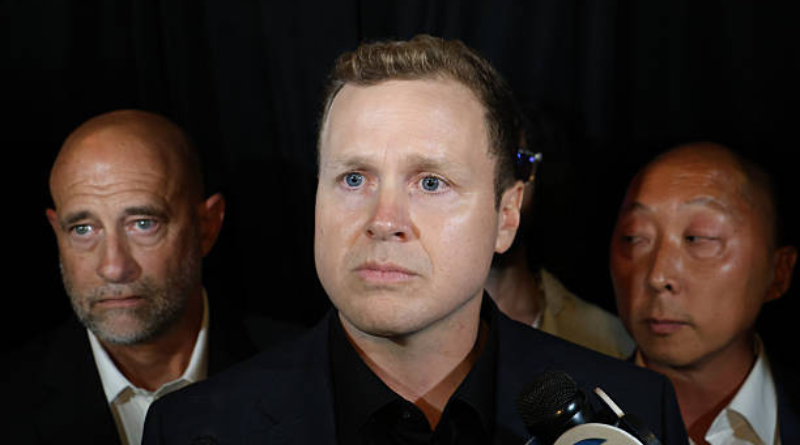
Reality television personality Spencer Pratt finished third in the Los Angeles mayoral primary election, ending his bid to advance to the general election runoff. Incumbent Mayor Karen Bass and City Councilwoman Nithya Raman secured the top two spots, advancing them to the general election on November 3, 2026. According to preliminary results, Pratt fell short of the runoff threshold with over 92% of expected ballots counted.
Primary Election Results and Runoff Matchup
With 92.5 percent of the expected votes counted in Los Angeles, current Mayor Karen Bass maintains the lead with 34.3 percent of the vote. City Councilwoman Nithya Raman follows in second place with 28.5 percent. Pratt, who generated significant media attention during his campaign, sits in third place with 25.8 percent of the vote.
Because no single candidate secured more than 50 percent of the total vote, the top two finishers will face each other in a head-to-head runoff. Under California’s nonpartisan top-two primary system, only the top two candidates advance to the general election regardless of party affiliation. As a result, Bass and Raman will compete in the November runoff, while Pratt is officially eliminated from the mayoral race.
Spencer Pratt’s Campaign Platform
Pratt officially entered the Los Angeles mayoral race in January 2026, launching a campaign that quickly became a focal point of local media coverage. His platform centered primarily on public safety, pledging to clean up the city’s streets and address the ongoing homelessness crisis. He also focused heavily on government accountability, promising to root out political corruption within City Hall.
Throughout his campaign, Pratt directed sharp criticism toward the incumbent mayor, Karen Bass, accusing her administration of failing to deliver on key policy promises. He argued that Los Angeles needed an outsider’s perspective to break through bureaucratic gridlock. Despite the public interest and high engagement on social media, the final vote tallies suggest Pratt’s message failed to secure enough support among the broader electorate to displace the top two candidates.
High-Profile Political Reactions and Trump Controversy
Pratt’s unconventional mayoral bid drew commentary from prominent political figures across the ideological spectrum, extending the race’s relevance far beyond Southern California. High-profile figures, including Senator Ted Cruz and Representative Alexandria Ocasio-Cortez, publicly commented on the campaign as it gained national attention. The widespread interest highlighted the unique intersection of celebrity status and local municipal governance.
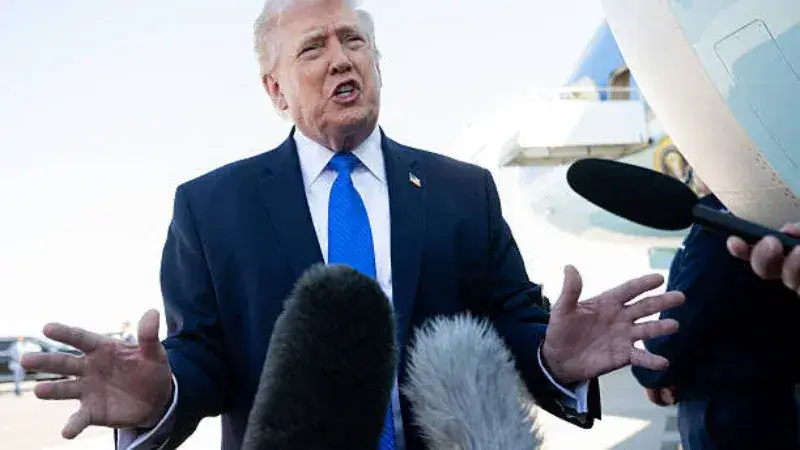
Following the release of the updated vote totals showing Pratt slipping out of a runoff position, President Donald Trump weighed in on the election results. In a post on Truth Social, Trump criticized the Los Angeles election process, calling the results impossible and declaring the election to be rigged. Local election officials defended the integrity of the vote-counting process, reiterating that the tabulation remains secure, transparent, and accurate.
Path to the November General Election
The focus of the Los Angeles mayoral race now shifts entirely to the upcoming November 3, 2026, general election. Incumbent Mayor Karen Bass will campaign to secure a second term, focusing on her administration’s progress on housing initiatives and public safety. City Councilwoman Nithya Raman, representing a more progressive wing of local politics, will seek to present an alternative vision for the city’s future.
Political analysts suggest that the general election will center on the same core issues that dominated the primary, including the cost of living, housing affordability, and homelessness. Both candidates are expected to actively court the voters who supported Pratt and other primary candidates. The transition from a multi-candidate field to a head-to-head matchup will likely intensify the debate over the city’s trajectory.
Celebrity Influence in Municipal Campaigns
The 2026 mayoral race underscored the unique role of celebrity influence in Los Angeles municipal politics. While Pratt’s candidacy was initially met with skepticism by some traditional political analysts, his ability to consistently command media attention forced his opponents to address his platform. His campaign relied heavily on direct social media engagement to bypass traditional campaign advertising structures.
Historically, Los Angeles has served as a fertile ground for celebrity candidates transitioning into public office, given the city’s close ties to the entertainment industry. While Pratt’s third-place finish prevents him from advancing, political observers note that his campaign demonstrated the continuing power of celebrity branding to disrupt local political dynamics. The strategy ultimately fell short of the organized grassroots coalitions mobilized by both Bass and Raman.