40-Vehicle Pileup Shuts Down I-95 in Clarendon County
A massive multi-vehicle crash involving about 40 vehicles, including four tractor-trailers, shut down both directions of Interstate 95 near mile marker 100 in Clarendon County, South Carolina, on Thursday morning, October 1, 2026.
Emergency crews responded to the crash near the Lake Marion bridge, where multiple vehicles were involved in a chain-reaction collision and a fire broke out. Officials reported at least one person was trapped in a vehicle, but no fatalities had been reported at the time of the latest updates.
The Brief
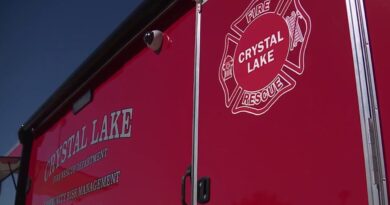
The crash occurred around mile marker 100 on I-95, with emergency crews from Clarendon County Fire Rescue responding to the scene.
The collision involved approximately 40 vehicles, according to local authorities and news reports. Four tractor-trailers were among the vehicles involved, and the crash resulted in a significant fire that required firefighters to work at the scene while crews began clearing the wreckage.
Both northbound and southbound lanes were initially closed, bringing traffic to a standstill in the area.
Officials urged drivers to avoid the section of I-95 and use alternate routes while emergency crews worked to clear the roadway.
What We Know
The crash occurred near the Lake Marion bridge, around mile marker 100. Initial reports indicated extremely poor visibility in the area, with dense fog reported around the time of the collision.
However, authorities had not yet announced a final official cause of the crash. The fog was being cited in early reports as a possible contributing factor, but investigators would need to determine the circumstances surrounding the chain reaction.
At least one person was reported trapped inside a vehicle and required assistance from emergency responders. No deaths had been reported in the initial response.
The scale of the crash created significant traffic backups along I-95, with vehicles stopped for several miles around the affected section of highway.
What’s Next
Emergency crews continued working Thursday to extinguish the fire, remove damaged vehicles and reopen the highway.
The northbound lanes were later reported reopened, while significant delays remained in the southbound direction as recovery and cleanup operations continued.
Drivers traveling through Clarendon County should continue checking current traffic conditions before using the affected section of I-95, as lane restrictions can change while crews complete the recovery operation.
This remains a developing story, and officials may provide additional information about injuries, the cause of the crash and the full extent of the damage as the investigation continues.