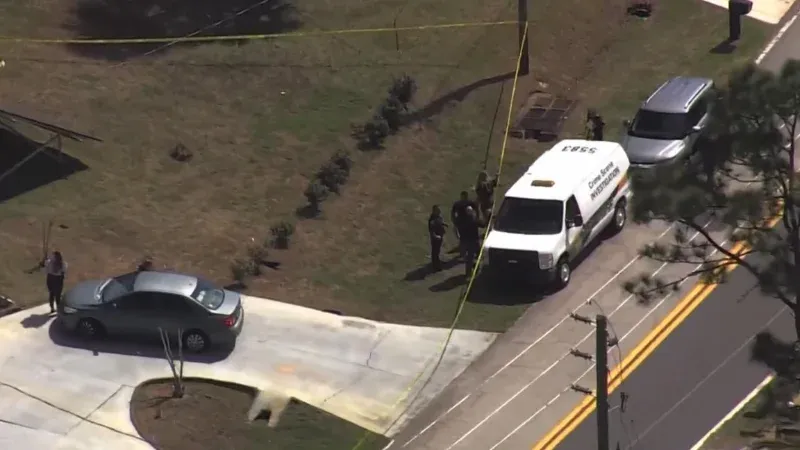
Twelve Killed in Skydiving Plane Crash in Butler Missouri
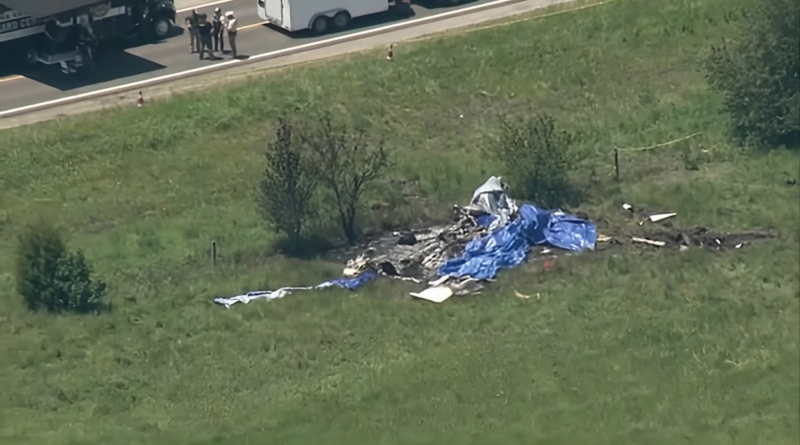
Twelve people, including eleven skydivers and one pilot, were killed on Sunday morning, June 14, 2026, when a skydiving plane crashed shortly after takeoff near Butler Memorial Airport in Butler, Missouri. The aircraft stalled at a low altitude before striking the ground and catching fire inside the airport’s perimeter. Emergency services responded immediately, but there were no survivors.
Flight Profile and Crash Details
The crash occurred at approximately 11:30 a.m. Central Time within the boundaries of the Butler Memorial Airport property, located right along Business Interstate 49. The single-engine turboprop aircraft, identified as a Pacific Aerospace P750, was operated by Skydive Kansas City. The rural airport in Bates County sits roughly 60 to 70 miles south of the Kansas City metropolitan area.
According to local emergency management officials, the plane reached an altitude of only about 100 feet before losing its ability to climb. The pilot attempted a sharp left turn, likely trying to execute an emergency landing on a nearby flat roadway. However, the aircraft stalled and struck the ground at a steep angle, immediately erupting in flames. Because the plane was at such a low altitude, the occupants were completely unable to deploy their parachutes.
On-Scene Response and Witness Accounts
First responders from multiple regional fire departments and emergency medical teams arrived to find the wreckage entirely engulfed in flames. Firefighters worked to suppress the blaze, but the severity of the impact and subsequent fire left no opportunity for rescue operations. Bates County Sheriff Chad Anderson confirmed that there were no survivors among the twelve people on board.
Sheriff Anderson also confirmed that several individuals on the ground witnessed the catastrophic crash. Among the witnesses were family members of the skydivers who were waiting at the airfield to watch the jump. The sudden disaster caused immediate distress at the municipal airport, which serves as a frequent site for recreational aviation activities.
Federal Investigation and Regulatory Status
The Federal Aviation Administration (FAA) confirmed that air traffic services were not being provided to the plane at the time of takeoff. Officials noted that this is standard protocol for localized skydiving flights operating out of rural municipal airfields. The National Transportation Safety Board (NTSB) has assumed the lead role in the investigation, with assistance from the FAA.
Federal investigators are scheduled to begin a detailed physical examination of the wreckage on Monday. The team will analyze the engine components, structural integrity, and flight logs of the Pacific Aerospace P750 to determine the definitive cause of the crash. While local authorities emphasized that the incident appears to have been an accident and weather conditions were clear at the time, investigators will evaluate all potential mechanical, human, and environmental factors.
Support for Grieving Families
In the immediate aftermath of the tragedy, local authorities and community organizations mobilized resources to assist the victims’ relatives. Clergy members, mental health professionals, and community volunteers were deployed directly to the Butler Memorial Airport. These teams are providing grief counseling and logistical support to the family members who witnessed the crash or arrived at the scene shortly after.
A secure area was established at the airfield to protect the privacy of the grieving families as they met with emergency personnel. The identities of the eleven skydivers and the pilot are being withheld pending formal notification of their next of kin. Local leaders have expressed deep condolences, calling the incident an unprecedented tragedy for the small municipal community of Butler.
History of the Aircraft and Aviation Safety
The Pacific Aerospace P750 is a single-engine turboprop utility aircraft manufactured in New Zealand, commonly used for passenger transport, freight, and skydiving operations. It is widely utilized by skydiving centers globally due to its high-climb performance and large cabin capacity. Aviation safety databases indicate that while the model has a generally reliable operational history, low-altitude stalls represent a critical risk for any turboprop aircraft during the initial climb phase.
Skydive Kansas City, which operated the flight, is a well-known regional skydiving school that has conducted jumps in the area for several years. The company’s operations will be scrutinized as part of the NTSB’s comprehensive review of maintenance records and pilot training qualifications. A preliminary report detailing the factual findings of the on-site investigation is expected to be released by the NTSB within the next few weeks.