Tyra Banks Sues Netflix for Defamation
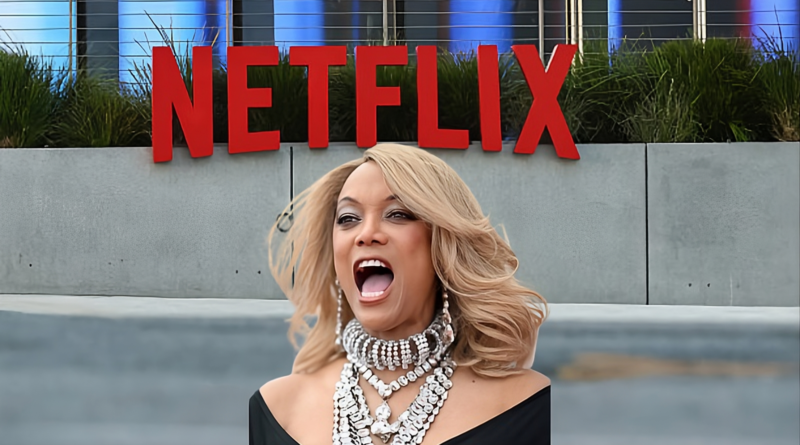
Television personality and entrepreneur Tyra Banks filed a federal defamation lawsuit against Netflix in California on Sunday, June 14, 2026. The lawsuit targets the streaming platform’s three-part February 2026 docuseries, “Reality Check: Inside America’s Next Top Model.” Banks alleges that the producers utilized deceptive editing techniques to construct a false and highly damaging narrative about her leadership on the show.
Details of the Defamation Lawsuit
The lawsuit, filed in a California federal court, targets Netflix alongside several production partners. According to court complaints obtained by USA TODAY and PEOPLE, the defendants named include Netflix, Netflix Music, 89 Blocks Holdings, EverWonder Studio, and Wise Child Studio. The legal action also names the docuseries’ co-directors, Mor Loushy and Daniel Sivan.
Banks is suing the defendants for defamation by implication, false light, breach of contract, and false endorsement. The filing asserts that Netflix falsely and deceptively marketed the three-part series as a factual “documentary series.” This marketing strategy, the lawsuit claims, prompted viewers to accept highly manufactured drama as objective truth, severely impacting Banks’ professional standing.
Deceptive Editing and Omitted Context
A primary component of the lawsuit involves a three-and-a-half-hour interview that Banks sat for to discuss the complex legacy of “America’s Next Top Model.” The complaint alleges that the docuseries’ producers used only 16 minutes of the extensive footage. Banks claims that the final cut completely omitted numerous instances where she took direct, personal accountability for the show’s past toxic environment.
The lawsuit alleges that by removing her self-reflective statements, the producers intentionally painted her as uncaring and indifferent. By trimming the long-form interview so selectively, the complaint argues, the series presented a distorted view of her perspective. Banks asserts that the edited footage directly contributed to a wave of online public backlash against her.
Disputed Accusations Involving Contestants and Judges
The most severe allegation in the lawsuit centers on a segment about Cycle 2 contestant Shandi Sullivan. In the docuseries, Sullivan stated that an incident originally framed on television as a 2004 “cheating scandal” was actually a sexual assault. The complaint alleges that producers asked Banks during her interview, “You remember the story with Shandi?”
The final broadcast cut shows Banks saying “um” before the screen cuts to black, creating the implication that she had forgotten about a sexual assault on her set. However, the lawsuit states that unaired footage proves Banks immediately responded by saying, “I do remember her story.” Banks argues this selective edit was designed to manufacture a false and damaging implication of negligence.
Additionally, the lawsuit disputes claims made by former “America’s Next Top Model” judge J. Alexander, known as Miss J. Alexander claimed in the docuseries that Banks had cut off contact with him after he suffered a stroke in 2022. Banks asserts in the filing that she tried extensively to reach him while she was living in Australia and exchanged friendly text messages with him as recently as Christmas 2025, but was never allowed to respond to his claims on camera.
Financial and Reputational Damages
The legal complaint details significant negative consequences to Banks’ global brand and various entrepreneurial ventures. Following the release of the docuseries in February 2026, Banks claims she experienced severe reputational damage. The lawsuit specifically highlights the impact on her Sydney-based ice cream business, SMiZE & DREAM, noting that online ratings for the brand plummeted immediately after the show aired.
Banks is seeking a jury trial and is demanding unspecified damages to compensate for lost business opportunities and emotional distress. She argues that the docuseries has caused long-term harm to her commercial viability and personal reputation. Netflix and the named production companies have declined or have not yet issued public responses to the filing.
Legal Strategy and Next Steps
The lawsuit represents one of the most high-profile legal challenges against a major streaming platform’s documentary editing practices in recent years. Legal analysts note that defamation by implication cases often hinge on demonstrating a deliberate attempt to mislead the audience through selective presentation. Banks’ legal team plans to utilize the unedited raw footage of her three-and-a-half-hour interview as primary evidence.
As the case proceeds in California federal court, both parties will enter a discovery phase to review internal communications and editing notes. The outcome of the litigation could have broader implications for how documentary producers handle interview footage and liability for editorial decisions. No trial date has been set, and the court is expected to schedule initial hearings in the coming months.