Lime warns Divvy deal could push company from Chicago
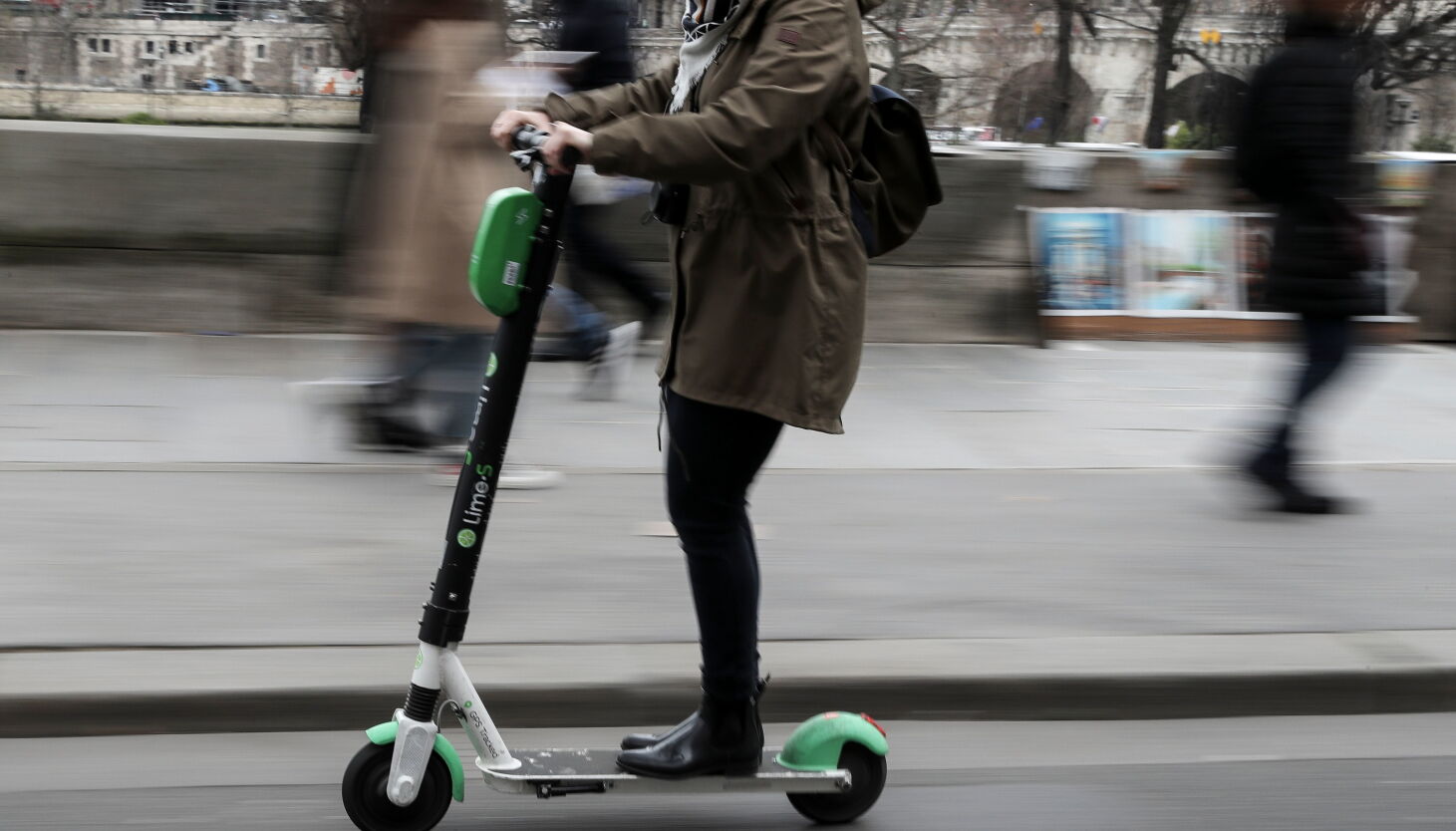
Scooter-share company Lime wants Chicago to pump the brakes on its Divvy expansion proposal that it warns could monopolize the city’s micromobility system under current operator Lyft and lead to higher prices.
Lime says the ordinance gives Divvy and Lyft “an unfair, government-sanctioned advantage,” and called to delay a potential committee vote on Friday, according to a drafted letter to Pedestrian and Traffic Safety Committee Chair Ald. Daniel La Spata (1st).
Lime, in a separate statement, said the proposed deal could kill competition with the only remaining scooter-share company and force it from the city.
Lime is the only other scooter operator in Chicago, besides Lyft. The city initially gave e-scooter licenses to two other companies, Spin and Superpedestrian, in 2021. Superpedestrian pulled its scooters from the city in 2023, citing stiff competition with Lyft. Spin reportedly stopped operating its scooters last year.
“This proposal as currently written would actually create a monopoly for Lyft by making it impossible for Lime to operate a successful program,” Lime spokesman Jacob Tugendrajch told the Sun-Times.
Johnson’s office announced its plan late last month to extend Lyft’s contract by five years beyond 2028, when the current agreement ends. The plan gives half-off Divvy discounts to rides on the South and West sides, and expands Divvy’s “core area” where it places docks, bikes and scooters — though the city has not shared specific boundaries.
The city has contracted Lyft to operate Divvy, the city’s bike- and scooter-share system, since 2019. The Divvy system, which includes docking stations, bikes and scooters, has been owned by the city’s Department of Transportation since Divvy’s launch in 2013. Lime only operates scooters in the city, according to its own agreement with the city.
Mayor Brandon Johnson is sponsoring the Divvy ordinance. In a statement, Johnson’s office said it appreciates Lime’s investment in the city.
“With a focus on building upon our progress fostering an equitable micro mobility ecosystem, the administration will continue to engage with industry partners and members of the City Council as the legislative process plays out,” the mayor’s office said.
La Spata and Lyft did not immediately respond to requests for comment.
Lime said it wants the city to rewrite the Divvy deal to “address monopoly concerns.”
The company also asked the city to consider its proposed automatic pricing discount for low-income residents. Lime said Lyft’s current low-income discount pricing is 34% higher than that of Lime’s own access program, and that Divvy’s prices are 19% higher than Lime’s on the South and West sides.
In New York City, where Lyft operates the city’s bike-share program Citi Bike, Lime said the company has a “geographical monopoly” that has led to higher prices. The state’s comptroller has also called out the company for not paying the city everything it was owed.
In Chicago, Lime asked the city to share the expected costs of the proposed Divvy extension, and to share revenue numbers of all bike- and scooter-share companies.
Despite a city prohibition of Lime scooters from the Central Business District, where only Divvy can operate, Lime said its scooters logged 6.1 million rides last year. That’s slightly less than Divvy’s 6.8 million rides last year on its scooters and bikes.