Marimar Martinez to sue federal government over Border Patrol shooting in Chicago
CHICAGO – Marimar Martinez, the Chicago woman who was shot multiple times by a Border Patrol agent last year, is filing a lawsuit against the government Monday under the Federal Tort Claims Act.
What we know:
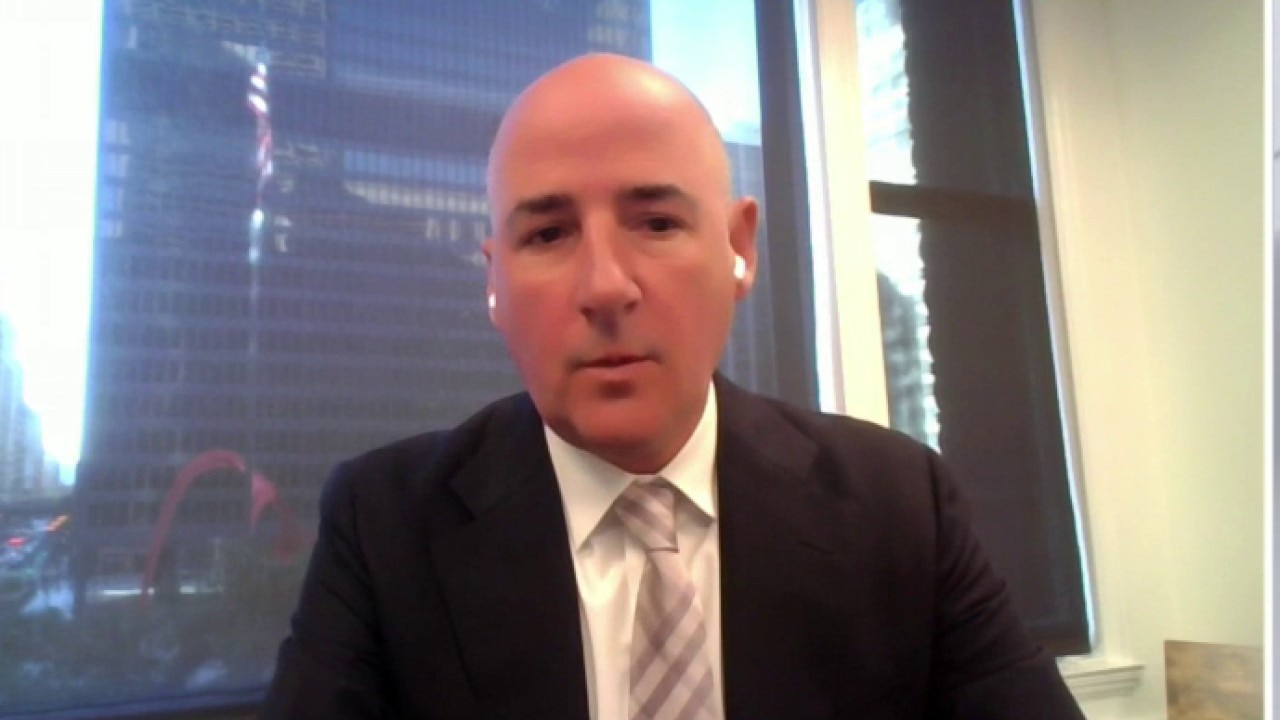
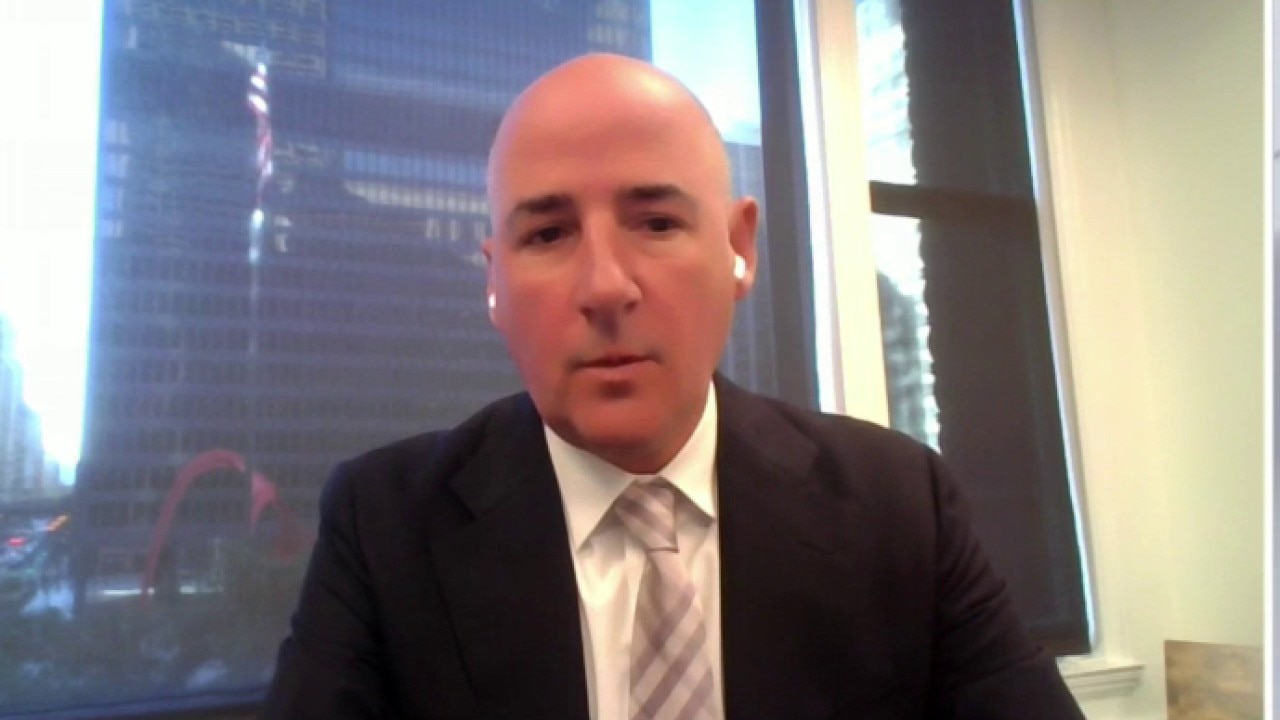
Attorney Chris Parente, who represents Martinez, says an expert reviewed bullet holes in Martinez’s vehicle and body to reconstruct where Border Patrol Agent Charles Exum was positioned when the shots were fired.
Her attorneys plan to present an animated reconstruction of that evidence during a 1 p.m. CT press conference.
“Any of your viewers sitting at home when they see this, will clearly see that this agent was not in front of the vehicle, as he said he was when he shot at her. He was behind it and shot her through the back,” Parente said.
The backstory:
Martinez was shot five times by Exum on Chicago’s Southwest Side on October 4, 2025, during Operation Midway Blitz.
Federal officials initially accused her of trying to ram agents with her vehicle, but video evidence later challenged that account.
Prosecutors dropped all charges against Martinez about six weeks after she was indicted.
What they’re saying:
Martinez spoke with FOX Chicago last month on the anniversary of Operation Midway Blitz, talking about her healing and trauma.
Martinez says she has been seeking justice not just for herself, but for other victims of the operation.
“I need to bring awareness. I need to bring justice for them and it was heartbreaking. And I was like, overwhelmed because I saw my family go through the pain and I survived, right? And I saw my own mother break down, like losing her mind, and I just imagined what their parents like Alex Pretti, Silverio, Rene,” she said.
The press conference will be livestreamed in the video player at the top of this story.
The Source: The information in this report came from an interview with Marimar Martinez’s attorney, Chris Parente, as well as previous reports that included an interview with Martinez, statements from the Department of Homeland Security and court records.