Minnesota Court Restores $7.2M Medicaid Fraud Conviction Judge Tossed
A Minnesota appeals court has reinstated a conviction in a $7.2 million Medicaid fraud case that was dismissed last year by a judge appointed by a Democratic governor.
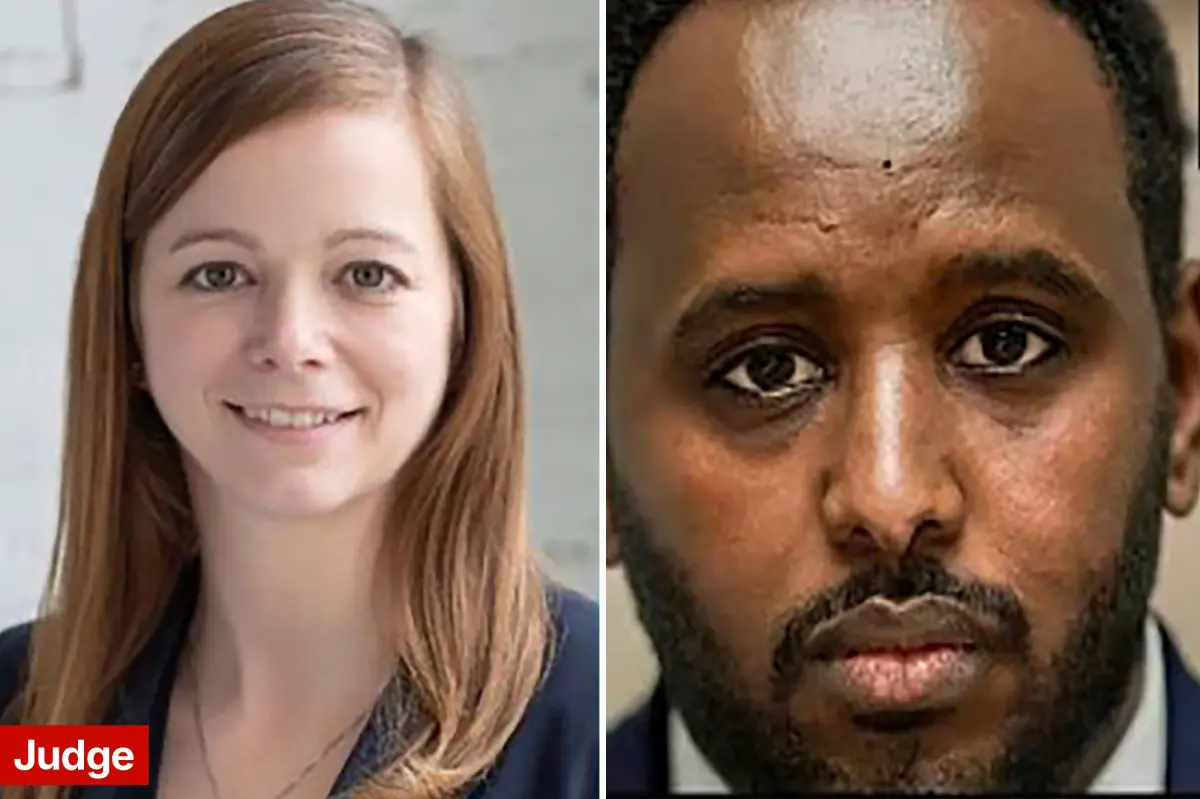
A three-judge panel of the Minnesota Court of Appeals ordered the six guilty verdicts against Abdifatah Abdulkadir Yusuf to stand. Yusuf’s healthcare company, Promise Health, was at the center of the alleged fraud scheme.
The appellate court rejected Hennepin County Judge Sarah West’s conclusion that Yusuf’s brother, Mohamed, could have orchestrated the fraud without Yusuf’s knowledge.
Prosecutors charged Yusuf in June 2024 with diverting money from Minnesota’s Medicaid program through Promise Health, a business he operated from his home. A jury convicted him in August 2025.
Between 2019 and 2022, Promise Health submitted more than 40,000 claims that investigators determined were fraudulent. Trial testimony indicated that the company billed the government for healthcare services that were never delivered.
Evidence also showed that Yusuf took more than $1 million from the company. Authorities later uncovered more than $400,000 in purchases at retailers including Canada Goose and Nordstrom.
Yusuf founded Promise Health in 2018.
Although the jury found him guilty, Judge West granted Yusuf’s request for acquittal in November of last year. Local station KARE 11 reported that jurors were stunned by the decision.
The ruling prompted national criticism as concerns over alleged welfare fraud in Minnesota were intensifying.
West was appointed to the bench by former Minnesota Gov. Mark Dayton in 2018, before Tim Walz succeeded him.
In its Monday ruling, the appeals panel highlighted the financial benefits Yusuf received from Promise Health, including more than $1 million transferred from the company’s accounts. The judges also noted that he signed checks made payable to his brother.
Prosecutors said Mohamed received roughly $359,000, including money from checks Yusuf signed and labeled as loans.
The appeals court ultimately concluded that Yusuf’s claims that he was unaware of the fraud were not credible.
Soon after West overturned Yusuf’s conviction, YouTuber Nick Shirley traveled to Minnesota and documented what he described as additional examples of apparent welfare fraud, including the now-notorious “Quality Learing” center.
Shirley’s video attracted millions of views and renewed national scrutiny of Minnesota’s welfare programs, including the $250 million-plus Feeding Our Future fraud case.
The coverage contributed to pressure from the Trump administration, which moved to intensify its focus on Minnesota and later helped spur the creation of a White House Task Force to Eliminate Fraud tasked with examining the state.