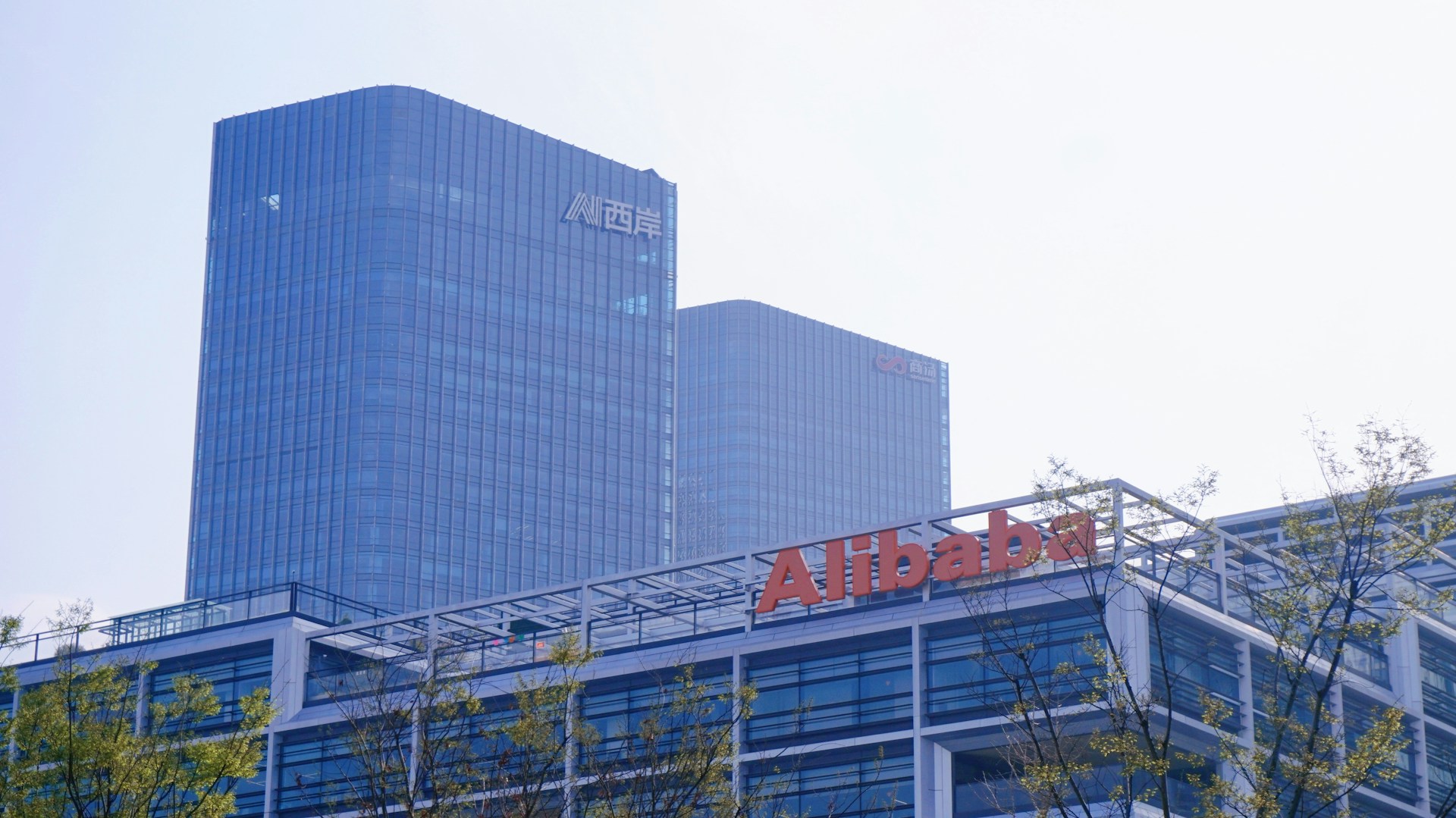
China tech giant Alibaba to use more domestic chips
- Alibaba plans to rely primarily on domestic T-Head AI chips after 2027 due to U.S. export controls.
- Eddie Wu said the restrictions create “very big uncertainty” for global supply chains and affect products and services.
- Alibaba will also buy other domestic chips to support internal inference demand.
- Company is training next Qwen model on its own chips, shifting away from high-end Nvidia hardware constrained by U.S. rules.
- Alibaba posted revenue of 271.5 billion yuan and profit rose sharply, helped by increased investment income.
Chinese tech giant Alibaba said Thursday it would move towards greater reliance on domestically produced artificial intelligence chips, as the United States tightens export controls for the sensitive components.
Washington this week announced new rules to crack down on the large grey market of Chinese companies renting computing power from data centres in Southeast Asia full of high-end US-designed chips.
Eddie Wu, Alibaba’s chief executive, said during an earnings call that the new restrictions would affect the company’s products and services in 2027 and bring “very big uncertainty” to the global supply chain.
“After 2027, we actually believe that the vast majority of our new AI chip supply should consist primarily of our own domestic T-Head chips,” Wu said. T-Head is Alibaba’s in-house chip-design arm.
“We will also buy other domestic chips to support our internal inference demand,” he said, referring to the process of running, rather than training, AI models.
The United States restricts export to China of high-end chips used to train and run AI tools made by Californian company Nvidia, citing national security reasons.
The US announcement to close the loophole in its export controls followed the eruption of an espionage affair scandal at Nvidia that has forced out longtime CEO Jensen Huang.
Wu, who also leads Alibaba’s AI ventures, said the company was currently training the next generation of its flagship Qwen model on its own chips.
Before quitting as Nvidia CEO last week, Huang had lobbied the Trump administration to allow more of his company’s chip sales to China, warning that the controls would otherwise boost the competitiveness of the Chinese chip industry.
On Wednesday, Tencent, another Chinese tech giant, had said that tighter US export restrictions in the wake of the Nvidia scandal would boost the development of Chinese semiconductors in the long run.
Alibaba posted a major quarterly revenue bump for the quarter ended September 30. Its quarterly revenue was 271.5 billion yuan ($40.7 billion), up 10 percent compared to the same period a year earlier, the company said in a press release.
The firm’s net income attributable to ordinary shareholders — a measure of profit — was 64.5 billion yuan from July to September, up 207 percent year-on-year, the results showed.
The huge jump was largely due to increased income from investments, the company said.