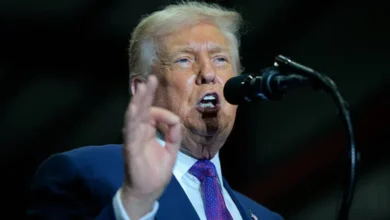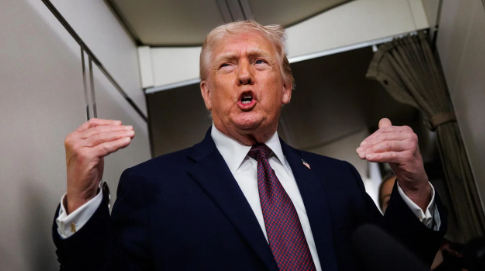
President Donald Trump announced on Saturday, January 17, 2026, that the United States will impose new tariffs on imports from eight European countries. The move follows recent military deployments by those nations to Greenland and marks a sharp escalation in the administration’s renewed push to gain control of the Arctic territory.
The White House said the tariffs respond directly to what the president described as unnecessary and provocative actions by U.S. allies in the region. Trump argued that Greenland holds critical strategic value for American national security and future defense planning.
Tariff Plan and Timeline
The administration confirmed that a 10 percent tariff will take effect on February 1, 2026, targeting imports from the involved countries. Trump warned that the tariff rate will rise to 25 percent on June 1, 2026, if Denmark does not agree to negotiations for what he called a “complete and total purchase of Greenland.”
The countries affected by the tariffs include Denmark, the United Kingdom, France, Germany, Norway, Sweden, Finland, and the Netherlands. All eight nations recently sent military personnel to Greenland as part of joint security operations.
White House officials said the tariffs aim to pressure European governments to reduce their military footprint on the island and reopen talks about U.S. control of the territory.
Military Presence in Greenland
The tariff decision follows recent troop deployments by NATO allies to Greenland. Denmark requested the assistance as part of reconnaissance missions and training exercises. These operations focused on monitoring increased activity by Russia and China in the Arctic region.
The deployments involved small contingents and joint exercises rather than permanent bases. However, President Trump described the presence as dangerous and unnecessary. He said foreign forces in Greenland threaten long-term U.S. security interests.
Trump argued that Greenland plays a key role in missile defense systems and Arctic surveillance. He claimed U.S. ownership would prevent rival powers from expanding their influence in the region.
Trump’s National Security Argument
In public statements, Trump framed the tariffs as a national security response rather than a trade dispute. He said Greenland remains vital to protecting North America and global shipping routes.
The president also linked Greenland to his proposed “Golden Dome” missile defense system. According to Trump, control of the island would strengthen early-warning capabilities and shield the U.S. from future threats.
Trump criticized Denmark’s control of the territory and said the current situation no longer serves global stability. He stated that the U.S. must act decisively to protect its interests in the Arctic.
International and Domestic Reactions
European leaders quickly condemned the tariff announcement. Officials from several affected countries described the move as unacceptable and harmful to long-standing alliances. Leaders stressed that Greenland is not for sale and rejected any pressure tactics.
Public protests followed the announcement in Copenhagen and Nuuk. Demonstrators carried signs opposing the sale of Greenland and criticizing foreign interference in regional affairs.
In the United States, the decision also drew criticism from lawmakers in both parties. Some senators warned that the tariffs could weaken NATO cooperation and disrupt transatlantic trade. Others expressed concern about the economic impact on American businesses that rely on European imports.
Legal Questions and Next Steps
The administration plans to impose the tariffs using the International Emergency Economic Powers Act. The law allows the president to regulate commerce during declared national emergencies.
However, legal experts have questioned whether the act applies to tariff authority. The Supreme Court is expected to issue a ruling next week that could determine whether the administration can proceed as planned.
Until then, the tariffs remain scheduled to take effect on February 1. The White House said it will continue diplomatic discussions but remains firm on its position.
As tensions rise, global markets and international partners continue to monitor the situation closely. The coming weeks may shape future U.S. relations with Europe and redefine the balance of power in the Arctic region.