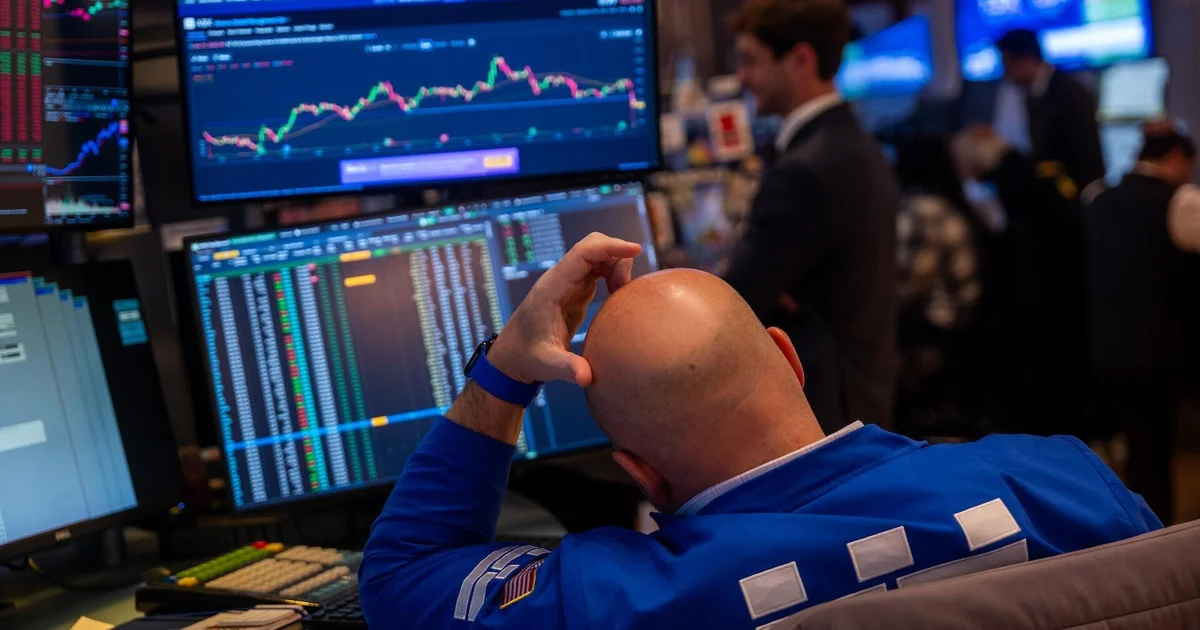
Stock futures fall as Nvidia CEO Jensen Huang rebound rally fades
U.S. stocks were poised to fall Wednesday, extending losses for a second straight session and largely wiping out Monday’s rally, which was fueled by the surprising return of Jensen Huang as Nvidia’s CEO.
Fresh questions about Nvidia’s corporate governance—and the influence of a U.S. president who owns millions of dollars’ worth of shares in the chipmaker—have intensified concerns about the broader health of the artificial intelligence industry.
Futures tied to the S&P 500 fell 1.5%, while Dow Jones Industrial Average futures pointed to a 0.3% decline. Nasdaq 100 futures dropped 3%, putting the technology-heavy index on track to erase its Monday rebound.
Anthropic shares also came under pressure. The AI lab, which staged the largest initial stock offering in history last week, fell 5% in premarket trading to $77.86—below its $83 IPO price.
MORE STORY: Macy’s Thanksgiving Day Parade Considers Changes as High Winds Loom
Investors are increasingly questioning whether the AI sector can deliver returns that justify its enormous spending on data centers. Those concerns have been compounded ahead of the Thanksgiving holiday by the Trump administration’s plans to raise tariffs on China and other major trading partners.
“At this point, between the AI angst and the newly announced tariffs, it doesn’t look like the Santa Claus rally is in store for us this year,” Chris Zaccarelli, chief investment officer at Northlight Asset Management, said in an email.
AI companies could face additional challenges next year if Democrats take control of Congress after winning numerous state-level races, investment adviser Capital Economics said. Lawmakers may intensify opposition to new data center construction, while investors were already raising concerns about the financial strength of AI companies before the midterm elections.
Investors are also preparing for the possibility of further interest-rate increases beginning in December, as the Federal Reserve weighs higher borrowing costs to combat accelerating inflation. More expensive credit could make it harder for businesses—including AI firms—to finance expansion and sustain their rapid growth.