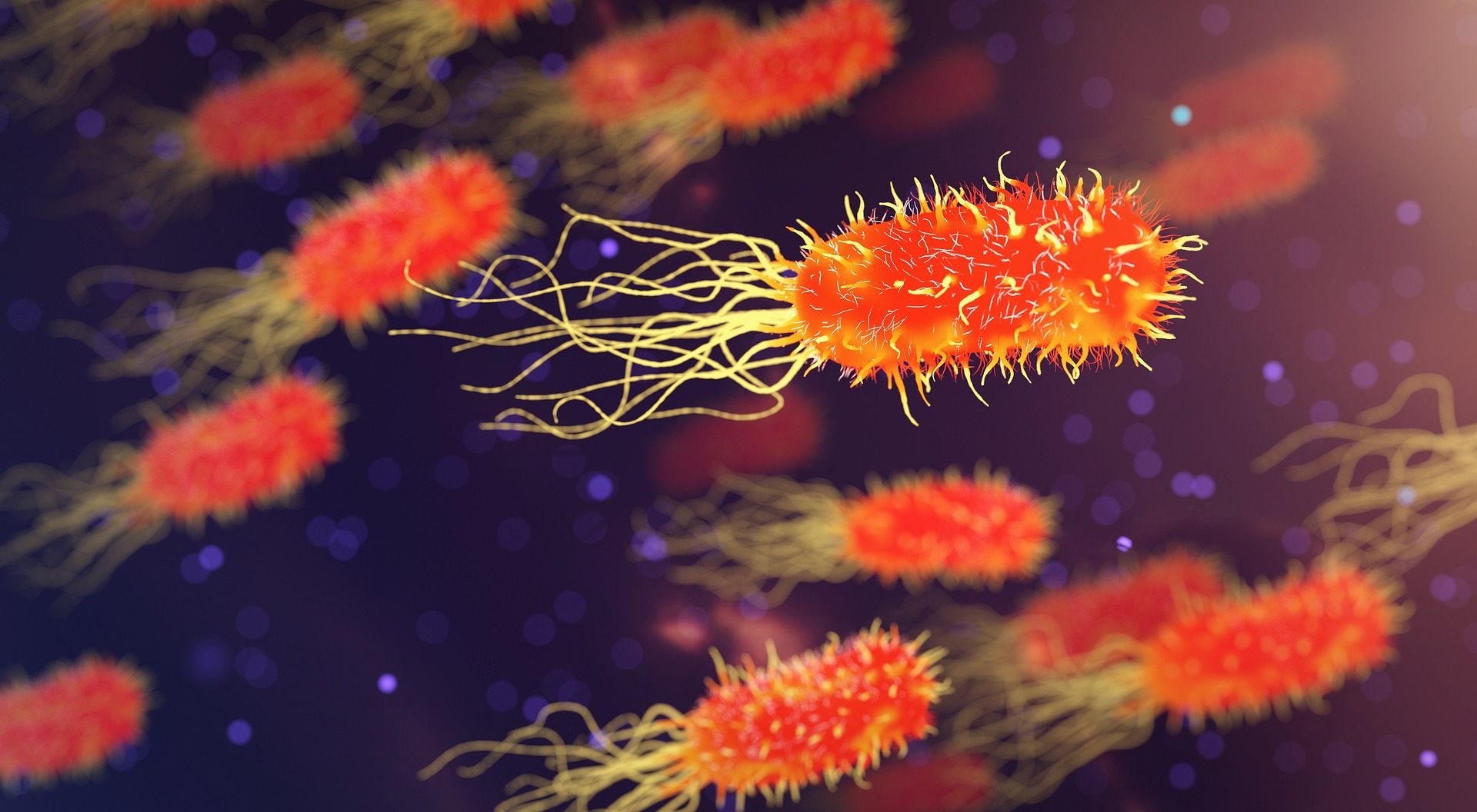
Sexually Transmitted Diarrhea Is Spreading in the US and Turning Into a Drug-Resistant Superbug
A highly contagious infection that causes severe diarrhea is spreading through sexual contact while becoming harder to treat, raising concerns about strains that can resist several commonly used antibiotics.
Shigella, the bacteria responsible for shigellosis, can cause fever, stomach cramps, vomiting and diarrhea containing blood or mucus. Infection occurs when contaminated fecal material reaches the mouth, including through food, water or intimate contact.
Only a tiny amount of bacteria is needed to make someone ill. Although anyone can become infected, children younger than five, travelers and people experiencing homelessness are among the groups at increased risk.
Sexual transmission has drawn growing attention, particularly among gay and bisexual men and other men who have sex with men. Limited awareness can complicate efforts to identify how infections spread.
The scale of resistance is becoming clearer. ScienceAlert reported that a CDC analysis of nearly 17,000 Shigella isolates found the proportion resistant to five commonly used antibiotics rose from zero in 2011 to 8.5 percent in 2023.
Those figures describe tested samples, rather than all infections nationwide. Shigellosis affects an estimated 450,000 people in the United States annually.
At UCLA, molecular biologist Shangxin Yang said hospital staff now encounter one extensively resistant case each month, compared with a single case during 2022.
The consequences can be serious. More than a third of patients with extensively resistant infections in the CDC data were hospitalized. Among those whose HIV status was known, nearly half had HIV.
Researchers are examining whether antibiotics prescribed for other infections help drive resistance in Shigella bacteria present at the same time, a process called “bystander resistance.”
ScienceAlert reported that resistance to azithromycin emerged more slowly after Britain stopped recommending the antibiotic for gonorrhea. That association does not establish cause and effect.
Most cases clear within about a week with rest and fluids. Severe illness, however, may require antibiotics, making the rise of resistant strains a concern for patients who need treatment.
For clinicians, the findings highlight the importance of asking about sexual exposure when assessing dysentery. Understanding how an infection was acquired could help guide treatment and identify whether testing for other sexually transmitted infections is needed.
Prevention advice reportedly includes washing hands and sex toys, using condoms or dental dams, and washing before and after sexual activity. California health officials also advise avoiding sex with anyone who has had diarrhea within the previous two weeks.