New parking enforcement bill passes DC Council. Here’s what it means
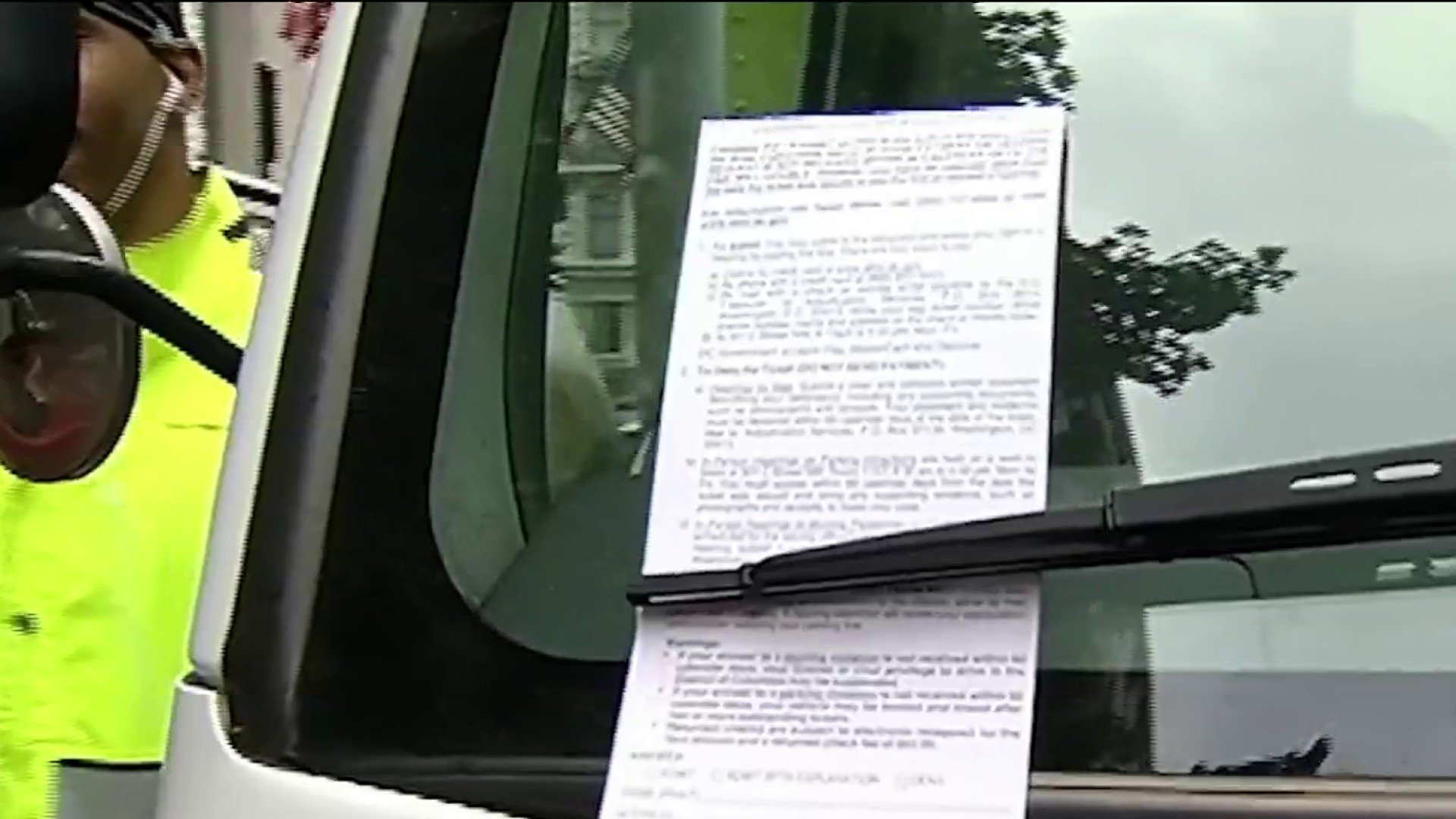
Legislation just passed by the D.C. Council would allow private businesses to pay for extra targeted Department of Public Works (DPW) parking enforcement.
The goal is to free up more spaces and discourage unsafe parking, like drivers who block fire hydrants.
The parking enforcement legislation was introduced by D.C. Council Member Brianne Nadeau and will allow private entities to enter into a contract with DPW. The streets near them would receive targeted extra attention by parking enforcement officers who want overtime beyond their regular schedule.
Entities eligible to participate include a business, a group of businesses, a promoter or organizer of a licensed special event, a business improvement district and the D.C. Main Streets program.
The measure also allows colleges and universities to take part. If they opt in and have their security officers go through the training, they will be able to issue DPW tickets on both private and public streets that run through campus.
“So I have never heard anybody say that we don’t have enough parking enforcement. If anything, people complain about getting too many parking tickets,” said Alex Padro, the executive director of Shaw Main Streets.
The area is one of the District’s most popular commercial and residential areas, and parking is always a top-line matter.
“So we would be paying extra for something that should already be taken care of as part of our taxes, and it should be self-funding,” Padro said.
The legislation calls for the extra enforcement to be paid for by the eligible entities, up to 100%. It’s modeled on a D.C. police overtime program, where participating bars and clubs pay 35%, and the Alcoholic Beverage and Cannabis Administration absorbs the rest.
One man News4 spoke to, who was unable to find a metered parking spot on 18th Street in Adams Morgan, said he’d be in favor if it makes it easier to find a space.
“A very active street with many stores and many places to go. Sure, they need more,” he said.
The measure now goes to D.C. Mayor Muriel Bowser. She can sign it, veto it, or do nothing and after a certain point it becomes law.