Minnesota Safari Restaurant Owner Salim Said Gets 30 Years for Food Fraud
A man described as a major participant in a scheme that defrauded a federal food program in Minnesota was sentenced Wednesday to 30 years in prison. He is the latest person punished in a sprawling operation that allegedly collected millions of dollars during the COVID-19 pandemic by falsely claiming to provide meals to children in need.
The scale of the Minnesota fraud—dozens of people have been convicted—has repeatedly drawn the attention of President Donald Trump. He has criticized Democratic Gov. Tim Walz for failing to prevent the theft and cited the case in part while arguing for an extraordinary immigration crackdown in the state’s largest cities.
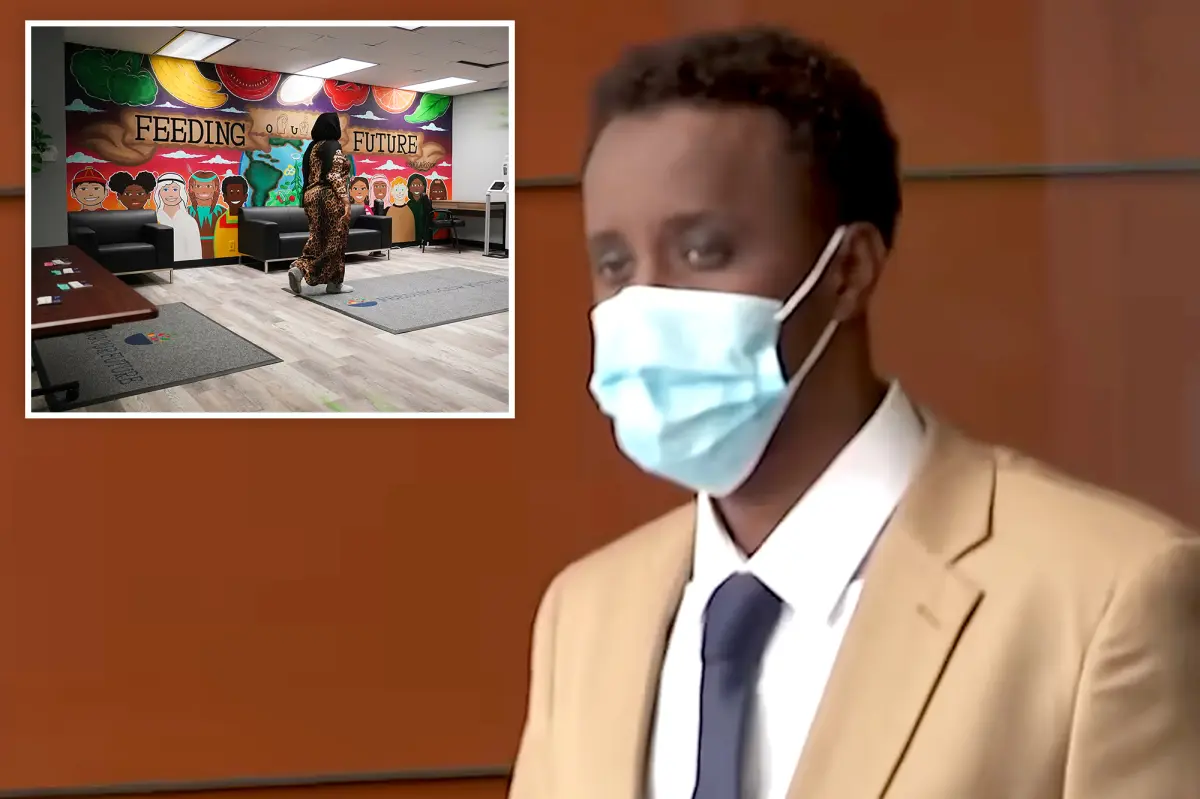
Salim Said operated Safari Restaurant in Minneapolis, a business known for its Somali cuisine.
Prosecutors accused him of dramatically inflating the number of meals served when seeking reimbursement from the program.
The government said Said was responsible for $44 million in fraudulent claims, including some allegedly committed by people he recruited.
“You took more than taxpayers’ dollars to enrich yourself. You took the reputation of our state down with you,” US District Judge Nancy Brasel said.
Prosecutors said Said reported a “ridiculous daily distribution of 6,000 meals,” even though FBI surveillance cameras showed about 40 people a day picking up food.
“The defendant and his sites did not serve thousands of children; he served a calculated, lucrative lie,” prosecutors wrote in a court filing.
Said, who was born in Somalia, denied the allegations while testifying at his 2025 trial. He said many of the meals had been delivered away from the restaurant.
At Wednesday’s sentencing, however, he changed his position and expressed remorse.
Defense attorney Barry Zone, who had requested a 12-year sentence, challenged the government’s description of Said as the scheme’s “architect.”
Changes made during the COVID-19 pandemic expanded a federal program that traditionally provided meals to children through schools. Restaurants were allowed to participate, and food distribution could take place at locations outside school buildings.
“For 21 consecutive months, Said made thousands of fraudulent reimbursement claims, day after day, month after month,” prosecutors said. “Each submission represented meals purportedly provided to underprivileged children, yet the listed children themselves were entirely fictitious.”
According to the government, Said used the proceeds to buy a $1.2 million home, commercial real estate and an $87,000 pickup truck.
Said was convicted in 2025 on numerous charges, along with Aimee Bock, the leader of the Minnesota nonprofit Feeding Our Future.
Bock is serving a 42-year prison sentence for devising the broader plan to recruit Said and others into the federal food program during the pandemic.
A judge also ordered her to repay $242 million.
State auditors found that the Minnesota Department of Education had received numerous complaints about Feeding Our Future but frequently instructed the organization to monitor itself.
In January, Gov. Tim Walz announced that he would not seek reelection after facing sustained criticism from Trump over theft involving programs funded with federal money.