Essential Guide to Stay Safe During a Winter Storm in 2026
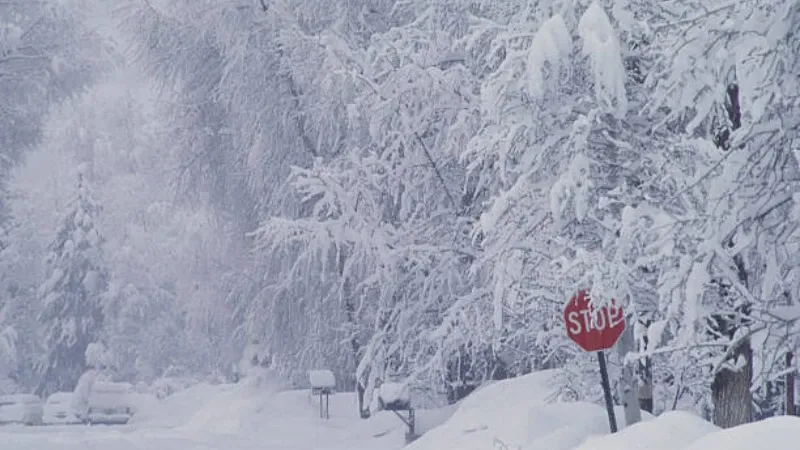
Severe winter weather has already defined the early weeks of 2026. Major blizzards and plummeting temperatures across the United States highlight the urgent need for proper preparation. Families must understand how to stay safe during a winter storm to prevent accidents, injuries, and fatalities. Experts emphasize that survival depends on proactive measures regarding home heating, personal health, and vehicle maintenance. This comprehensive guide outlines the critical steps every household should take before and during a weather emergency.
Strategies to Stay Safe During a Winter Storm at Home
Home safety begins with proper heating protocols. Many winter fires originate from the misuse of alternative heat sources. You must keep all flammable items at least three feet away from heating equipment. This rule applies to space heaters, fireplaces, wood stoves, and radiators. Furniture, bedding, and curtains catch fire easily if they sit too close to intense heat. Vigilance prevents these preventable tragedies.
Never use a gas oven or stove to heat your home. These appliances are not designed for space heating and pose significant risks. Using them for warmth increases the danger of fire. Furthermore, gas ovens release carbon monoxide. This colorless, odorless gas kills hundreds of people every year. Carbon monoxide poisoning happens quickly in enclosed spaces. You should install battery-operated detectors on every level of your home to monitor air quality.
Generator safety also requires strict adherence to guidelines. Power outages often accompany severe winter storms. If you use a portable generator, operate it outdoors only. Keep the unit at least 20 feet away from doors, windows, and vents. Exhaust fumes contain high levels of carbon monoxide that can seep into the home through small openings. Placing a generator in a garage or basement is never safe, even with the doors open.
Plumbing systems face severe threats during freezing conditions. Frozen pipes can burst and cause extensive water damage. You can prevent this by allowing faucets to drip slightly during extreme cold. Running water, even at a trickle, helps prevent pipes from freezing. Additionally, open cabinet doors underneath kitchen and bathroom sinks. This action allows warmer air from the room to circulate around the plumbing.
Personal Protection and Health Awareness
Venturing outdoors during a storm requires careful planning. You should wear multiple layers of loose-fitting, lightweight clothing instead of one thick garment. Layering provides better insulation by trapping air between fabrics. Choose synthetic materials that wick moisture away from the skin. Wet clothing loses its insulating value rapidly and accelerates body heat loss.
Protecting your extremities is equally important. You lose a significant amount of body heat through your head. Always wear a warm hat and use a scarf to cover your face and mouth. Mittens provide more warmth than gloves because they keep your fingers together. Waterproof boots are essential for keeping feet dry and maintaining traction on icy surfaces.
Physical exertion in cold weather places a heavy strain on the heart. Shoveling snow or pushing a car can lead to heart attacks, which are a major cause of death during winter. You should take frequent breaks while working outside. Listen to your body and stop immediately if you feel chest pain or shortness of breath. Older adults should be particularly cautious and avoid strenuous outdoor activities whenever possible.
Recognizing the signs of cold-related illnesses saves lives. Hypothermia occurs when the body loses heat faster than it can produce it. Symptoms include shivering, confusion, drowsiness, and slurred speech. If you suspect hypothermia, warm the center of the person’s body first. Focus on the chest, neck, head, and groin areas. Frostbite is another serious danger. Look for numbness and skin that appears white, grayish-yellow, or waxy. These signs most often appear on the nose, ears, cheeks, chin, fingers, or toes.
Vehicle Preparation and Travel Guidelines
Travel becomes treacherous during winter storms. The safest option is to stay off the roads completely. Avoid driving unless it is absolutely necessary. If you must travel, ensure your vehicle is ready for the conditions. Mechanics recommend keeping your gas tank at least half full at all times. This practice prevents the fuel line from freezing and provides a reserve if you get stuck.
A well-stocked emergency kit is vital for every driver. Your vehicle should contain traction aids such as sand, salt, or non-clumping kitty litter. A small shovel helps you dig out of snowdrifts. You also need warmth essentials to survive a long wait for rescue. Pack extra heavy blankets, coats, and mittens. Safety gear should include jumper cables, a flashlight with extra batteries, and a basic first-aid kit.
Knowing what to do if you become stranded helps you stay safe during a winter storm. Do not leave your vehicle to search for help during a blizzard. Visibility can drop to zero in minutes, making it easy to get lost. Stay inside the car where you have shelter. You can run the engine for approximately 10 minutes every hour to generate heat. However, you must keep a downwind window slightly cracked to allow fresh air in. This prevents carbon monoxide from building up inside the cabin if the exhaust pipe becomes blocked by snow.
Community Support and Vulnerable Populations
Winter safety extends beyond your own front door. Community members should check on vulnerable neighbors. Elderly family members and friends often struggle with heating issues or isolation during storms. Contact them regularly to ensure they have adequate heat and food. Assist them with snow clearing if they cannot do it themselves.
Simple acts of kindness reinforce community safety. Verify that your neighbors have working smoke and carbon monoxide detectors. Sharing resources and information helps everyone weather the storm together. By following these guidelines, you protect your property, your health, and your community. Preparation remains the most effective tool against the harsh reality of winter weather.