By Clara Wilson
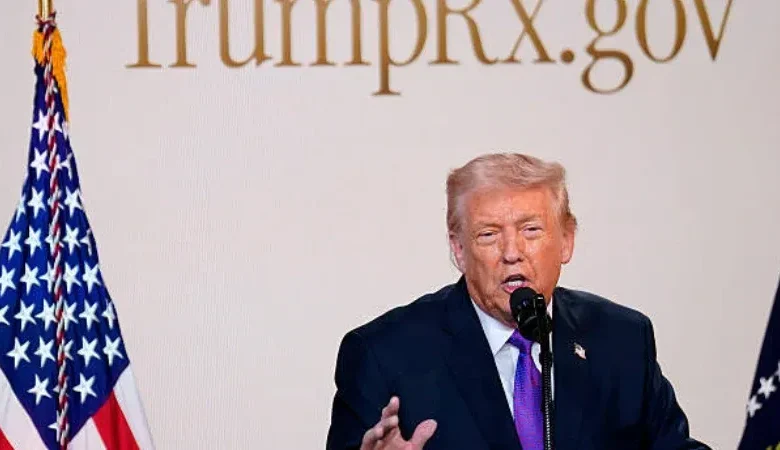
The White House took a major step in its healthcare agenda on February 5, 2026. President Donald Trump officially introduced the administration’s new flagship drug-pricing platform to the nation. The TrumpRx.gov drug pricing initiative aims to lower medication costs for millions of Americans. President Trump held a formal unveiling event at 7:00 p.m. to mark the occasion. He was joined on stage by CMS Administrator Dr. Mehmet Oz. This launch occurs during a period of intense political activity in Washington. While the administration focuses on healthcare, a significant budget crisis is brewing in Congress. Lawmakers are currently struggling to prevent a partial government shutdown. The Department of Homeland Security faces a funding expiration next week.
The Official Launch of the TrumpRx.gov Drug Pricing Platform
The new website serves as a central hub for American consumers. It functions as a facilitator rather than a direct pharmacy. The TrumpRx.gov drug pricing model directs users to drugmakers’ direct-to-consumer platforms. This allows patients to purchase medications at “Most Favored Nation” prices. This policy ensures that Americans pay the lowest price available in other developed countries. Dr. Mehmet Oz emphasized that the platform simplifies the buying process. He noted that the site removes layers of bureaucracy between patients and providers. The administration believes this direct approach will foster more competition.
The platform is designed to be user-friendly for people of all ages. It provides a clear directory of high-demand medications. Furthermore, the site offers transparency that was previously unavailable in the pharmaceutical market. President Trump stated that this platform fulfills a key campaign promise. He argued that international parity in pricing is a matter of fairness. The administration has spent months preparing the technical infrastructure for this site. They expect high traffic as citizens look for ways to reduce their monthly expenses. The site is now live and accepting searches for various prescriptions.
Pharma Deals Lower Costs for High-Demand Medications
The success of the platform relies on cooperation from the private sector. The administration has successfully brokered deals with 16 major pharmaceutical companies. This group includes industry giants like Pfizer, Eli Lilly, and Novo Nordisk. These companies have agreed to lower prices on several high-demand medications. The most significant reductions involve weight-loss and diabetes treatments. For example, monthly costs for Ozempic and Wegovy have dropped significantly. These drugs previously cost over $1,000 per month for many patients. Now, the price is set at $350 through the platform.
Other medications have seen even more dramatic price cuts. Epclusa, which is used to treat Hepatitis C, was previously priced at $24,920. Through the TrumpRx.gov drug pricing deals, the cost is now $2,425. Januvia for diabetes has dropped from $330 to $100. Additionally, the HIV medication Reyataz now costs $217 instead of $1,449. The administration is also preparing for future drug approvals. A new oral GLP-1 pill is expected to start at $150 if it receives official approval. These negotiated rates represent a massive shift in how the government interacts with drugmakers.
The Cash-Only Strategy to Bypass Insurance Intermediaries
A unique aspect of this platform is its financial structure. The TrumpRx.gov drug pricing system generally operates on a “Cash-Only” model. This means that the site does not accept standard health insurance for these transactions. Patients are required to pay for their prescriptions directly with cash or debit. This strategy is intended to bypass insurance intermediaries. Specifically, the administration wants to remove pharmacy benefit managers from the equation. These third-party entities often add hidden fees to medication costs. By paying cash, patients can access the raw negotiated price.
Critics of the cash-only model worry about the impact on low-income families. However, the administration argues that the new prices are lower than most insurance copays. They believe that bypassing the complex insurance system saves money for everyone. Patients will no longer have to worry about whether a drug is in their insurance network. They simply see the price and pay the drugmaker directly. This model seeks to restore a traditional market relationship between buyer and seller. Dr. Oz stated that this transparency will eventually force the entire healthcare industry to lower costs.
Congressional Standoff Threatens DHS Funding and Operations
While the healthcare launch proceeded, tensions rose on Capitol Hill. The Department of Homeland Security is currently operating on temporary funding. This stopgap measure is set to expire at midnight on Friday, February 13, 2026. Senate Majority Leader John Thune warned that negotiations are in a difficult state. He told reporters on Thursday that serious talks have yet to truly begin. The primary issue is a fundamental disagreement over agency reforms. Republicans have rejected what they call a “ridiculous Christmas list” of Democratic demands.
The standoff has created a sense of urgency among federal workers. If a deal is not reached, a partial shutdown will occur on Valentine’s Day. This would impact several critical agencies under the DHS umbrella. The Transportation Security Administration and FEMA would both face operational challenges. The Coast Guard would also be affected by the lack of new appropriations. However, U.S. Citizenship and Immigration Services would continue to function. Because USCIS is a fee-funded agency, it does not rely entirely on congressional budgets. Nonetheless, the overall security infrastructure would be under significant strain.
Democratic Reform Demands vs. Republican Enforcement Priorities
The debate over DHS funding is tied to recent events in Minneapolis. Democrats are insisting on strict reforms for ICE and the Border Patrol. These demands follow several fatal law enforcement incidents in Minnesota. Democrats want a new requirement for judicial warrants for all immigration arrests. They are also pushing for a ban on agents wearing masks during public operations. Furthermore, they want stricter use-of-force standards to be written into the budget. These reforms are a top priority for the Democratic caucus. They argue that transparency is necessary to prevent future tragedies.
Republicans have responded to these demands with strong opposition. Senator Thune labeled the Democratic proposals as “unrealistic” and “anti-enforcement.” He argued that these rules would make the country less safe. Republicans believe that federal agents need flexibility to perform their duties. They are currently focusing on border security and interior enforcement as their primary goals. Consequently, the two parties are at a total stalemate. Thune is reportedly preparing another short-term funding patch for next week. This would provide more time for a long-term agreement but leaves the underlying issues unresolved.