A small toy store in St. Paul, Minnesota, has become an unexpected focal point in a growing community response to federal immigration enforcement. In January 2026, Mischief Toy Store on Grand Avenue began distributing free, 3D-printed whistles to residents concerned about Immigration and Customs Enforcement activity in local neighborhoods.
Store owners say the whistles serve as a nonviolent way for community members to alert neighbors when ICE agents appear nearby. The effort has drawn both strong support and sharp criticism as debates continue over immigration enforcement and public safety.
Purpose Behind the Whistle Program
Co-owner Abigail Adelsheim-Marshall described the whistle initiative as a peaceful method of community awareness. She said the goal is not confrontation, but communication. The whistles allow residents to notify others of nearby enforcement activity without using technology or social media.
According to the store, the whistles act as a warning signal that encourages people to remain informed and cautious. Supporters say the tool helps families feel less isolated during moments of uncertainty.
The store emphasizes that the program does not encourage interference with law enforcement. Instead, it frames the whistles as a form of expression and community solidarity.
Rapid Growth in Distribution
Demand for the whistles grew quickly in early January. Mischief Toy Store reports distributing thousands of whistles within weeks. At peak demand, the store handed out as many as 1,000 whistles per week.
Initially, one employee produced the whistles using a single 3D printer. As demand surged, the store reached out to local residents who owned 3D printers. Volunteers across the Twin Cities began printing whistles at home and delivering them to the shop.
The whistles come in various colors and shapes. Store staff say the design focuses on simplicity, durability, and loud sound output.
Educational Materials Included
Along with the whistles, the store distributes small informational pamphlets known as zines. These materials explain how the whistles are intended to be used and offer guidance for discussing immigration enforcement with children.
The pamphlets aim to reduce fear by encouraging calm conversations within families. Store staff say many parents requested help explaining complex topics to young children in age-appropriate ways.
The materials avoid legal advice and focus instead on emotional support and communication.
Context of Increased Enforcement Activity
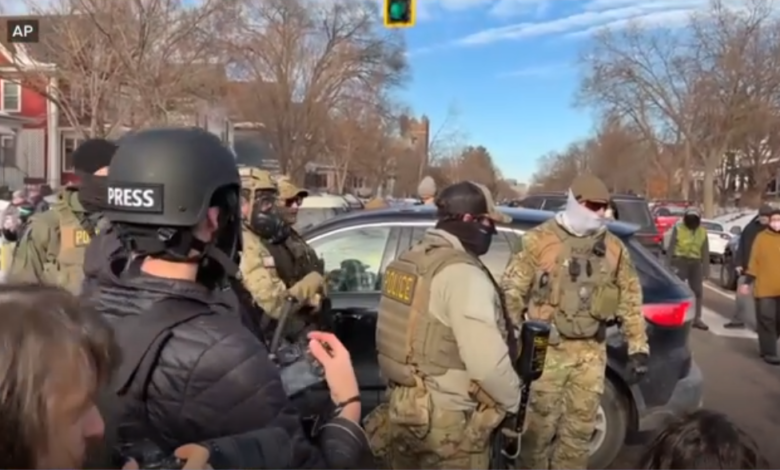
Interest in the whistle program increased after reports of heightened ICE activity in parts of Minnesota. Community members reported seeing federal agents near schools, apartment buildings, and bus stops.
These reports fueled concern among immigrant families and advocacy groups. Some residents worried about unexpected encounters and the impact on children and vulnerable populations.
Supporters of the whistle program say the effort grew out of these concerns and reflects a desire for mutual awareness rather than secrecy.
Mixed Community Reactions
Public reaction to the program has been divided. Many residents praise the store for offering what they describe as a peaceful tool of resistance. Supporters argue that community alerts have long existed in various forms and help people look out for one another.
Others criticize the initiative, saying it could increase anxiety or escalate tensions. Some residents worry that the whistles may spread fear or confusion in neighborhoods.
Despite criticism, store owners say they will continue distributing whistles as long as demand remains.
ICE Response to the Effort
Immigration and Customs Enforcement addressed the whistle initiative in a statement released on January 13, 2026. The agency said the use of whistles would not prevent officers from carrying out enforcement actions.
ICE stated that its operations focus on individuals identified as criminal threats. The agency emphasized that enforcement activities follow federal law and procedure.
The statement did not reference any specific action against the store or its customers.
Origins of the Whistle Strategy
The idea of using whistles as a community alert reportedly began in Chicago after Thanksgiving 2025. Activists there promoted the approach as a low-tech way to share information quickly.
The concept later spread to Minnesota through advocacy networks and word of mouth. Mischief Toy Store adapted the idea and expanded it through 3D printing.
Ongoing Debate
The whistle program highlights ongoing national debates about immigration enforcement, public awareness, and protest methods. As enforcement activity and public response continue to evolve, the conversation surrounding such initiatives remains active.
For now, Mischief Toy Store remains at the center of a local effort that blends activism, technology, and community engagement in a uniquely modern way.