By Clara Wilson
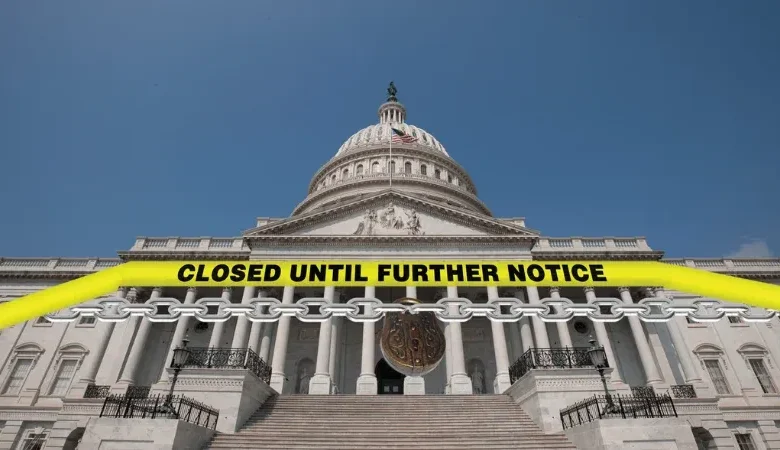
A partial DHS government shutdown is virtually certain to begin at 12:01 a.m. ET on Saturday, February 14, 2026. This administrative lapse follows a period of intense partisan friction in the nation’s capital. Lawmakers in both the House and the Senate officially adjourned for a 10-day holiday recess on Thursday. They left Washington without reaching a deal to extend funding for the Department of Homeland Security. Consequently, thousands of federal employees face a period of financial uncertainty during the winter break. Unlike previous years, this shutdown specifically targets the agencies responsible for border security and national safety. The White House has indicated that President Trump remains skeptical of the current legislative proposals.
This situation marks a significant moment in the 2026 fiscal cycle. Most other government agencies will continue their operations without interruption. Lawmakers previously funded the other 11 annual appropriations bills through September 30, 2026. Therefore, the current DHS government shutdown only impacts the Department of Homeland Security and its sub-agencies. Public services such as Social Security and the Postal Service will remain fully operational. However, the lack of a DHS budget creates immediate challenges for the Transportation Security Administration (TSA). Furthermore, the Coast Guard faces a complete halt in pay for its active-duty members. The stalemate in Congress shows no signs of an immediate resolution.
Roots of the Minneapolis Enforcement Standoff
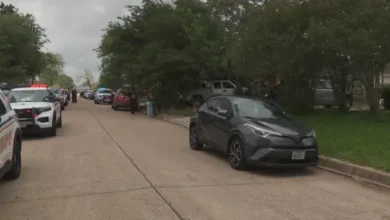
The core reason for the current impasse involves a deep divide over immigration enforcement policies. This tension escalated following a fatal shooting incident in Minneapolis earlier this year. Federal agents were involved in an encounter that resulted in the deaths of two individuals, Alex Pretti and Renee Good. The incident sparked a national debate regarding the oversight of federal law enforcement officers. Consequently, Senate Democrats have used the DHS funding bill as a vehicle for major policy changes. They are currently demanding a series of strict reforms for agencies like ICE and the Border Patrol.
Democratic lawmakers insist on several key requirements before they will approve new funding. Specifically, they are demanding mandatory body cameras for all field agents. They also want a total ban on the use of face masks by federal officers during public operations. Furthermore, the proposed reforms include a requirement for judicial warrants for all immigration-related raids. Republicans have characterized these demands as a “Christmas list” of unrealistic restrictions. Senate Majority Leader John Thune argued that these changes would create chaos at the border. He stated that the new standards would directly endanger the lives of federal agents. This policy dispute has effectively stalled all budget negotiations for the week.
Impacts on Transportation and National Safety
The DHS government shutdown will immediately affect the daily routines of federal workers. TSA agents at airports across the country must continue their screening duties without immediate pay. While travel remains safe, long-term delays are expected as the shutdown persists. Personnel in these roles are considered essential for national security. However, the lack of a paycheck often leads to increased absenteeism and lower morale. Furthermore, the Coast Guard will halt pay for approximately 56,000 personnel. This includes members involved in search and rescue missions and coastal defense.
Maintenance for Coast Guard boats and aircraft will also face significant delays. This could eventually impact the readiness of the fleet during emergency situations. Additionally, the lack of funding prevents the agency from starting new infrastructure projects. While the personnel remain on duty, the administrative support for their missions will dwindle. Travelers are encouraged to arrive at airports earlier than usual during the holiday recess. The stress on the federal workforce often results in slower processing times at security checkpoints. Authorities are monitoring the situation to ensure that safety standards do not decline during the lapse.
Financial Cushion of the One Big Beautiful Bill Act
Fortunately, some agencies within DHS have a temporary financial cushion. Customs and Border Protection (CBP) and Immigration and Customs Enforcement (ICE) will continue most operations. This is due to mandatory funding and existing reserves. Specifically, the “One Big Beautiful Bill Act” passed earlier this year provided these agencies with significant resources. These reserves allow enforcement operations to continue even during a DHS government shutdown. Therefore, the immediate impact on border security may be less severe than in previous years. Border Patrol agents will remain in the field to monitor transit corridors.
FEMA also maintains a level of operational stability during the funding lapse. The Disaster Relief Fund currently has between $7 billion and $8 billion in available capital. This allows the agency to respond to natural disasters and provide emergency aid. However, a prolonged shutdown could eventually strain these resources. If multiple large-scale disasters occur simultaneously, the agency may require new appropriations from Congress. For now, FEMA officials state that their life-saving missions will not be interrupted. The “One Big Beautiful Bill Act” has proven to be a vital safeguard for these critical functions.
Editorial Analysis: Political Brinkmanship and Agency Morale
Based on the current trajectory of federal labor trends, this DHS government shutdown highlights a growing disconnect between policy and personnel. The decision by lawmakers to adjourn for a 10-day recess during a security funding crisis suggests that political leverage has surpassed operational necessity. This type of brinkmanship creates a “perpetual instability” for federal agents who are already facing high-stress environments. When agents are asked to work without pay while their oversight is debated, the long-term result is usually a decline in recruitment and retention.
Furthermore, the focus on the Minneapolis incident demonstrates how local events can now dictate national security budgets. The demand for judicial warrants for all raids represents a fundamental shift in how the executive branch operates. This standoff is not just about dollars; it is a battle over the very definition of federal police power. If neither side blinks during the recess, the TSA and Coast Guard will bear the brunt of the hardship. The administration must find a way to balance reform with the practical needs of the workforce to avoid a total collapse in morale.
Future Outlook for Congressional Negotiations
Congress remains in a state of standby as the holiday recess begins. The Senate is currently on a 24-hour notice to return to Washington. Similarly, the House of Representatives is on a 48-hour notice. These alerts signify that a deal could be reached if leaders find common ground during the break. However, the public rhetoric remains sharp on both sides of the aisle. President Trump has stated he will be personally involved in future talks. Despite this, he expressed skepticism toward the Democratic demands for ICE reforms. The White House maintains that enforcement must remain a top priority.
Social Security recipients and veterans will not see any change in their benefit schedules. These programs are funded through separate legislative mechanisms that are not part of the DHS dispute. Consequently, the broader American economy should remain stable during the partial lapse. The main concern remains the dedicated men and women of the DHS workforce. They must navigate another period of political uncertainty while performing their essential duties. The nation will be watching closely as the February 14 deadline passes. A resolution is likely several days away as both parties wait for the other to concede.
Stay updated with the [latest us political news] at wfbnews.com.