30 Vehicles Were Involved in a Massive Pileup, Leaving at Least Four People Dead

By Clara Wilson
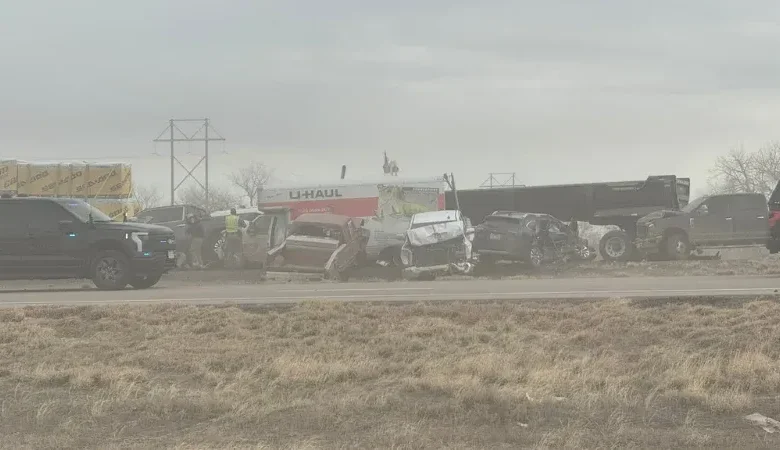
A catastrophic traffic disaster paralyzed the primary north-south corridor of Colorado on Tuesday morning. The Colorado State Patrol confirmed that 30 vehicles were involved in a massive pileup, leaving at least four people dead near Pueblo. This tragic event occurred on February 17, 2026, as high-intensity weather conditions swept through the region without warning. Officers responded to the scene on Interstate 25 at approximately 10:00 a.m. local time. The collision took place near Milepost 92, just south of the Pueblo city limits. Consequently, emergency crews from multiple counties flooded the highway to manage the unprecedented scale of the wreckage. The aftermath revealed a chaotic scene of twisted metal and heavy debris that stretched across several hundred yards of the interstate.
The magnitude of the accident required an immediate and massive medical response. In addition to the four confirmed fatalities, at least 29 other individuals sustained injuries of varying severity. Paramedics worked tirelessly to stabilize victims amidst the swirling dust and howling winds. They eventually transported the injured to several regional medical centers, including Parkview and St. Mary-Corwin. Authorities have not yet released the identities of the deceased pending the notification of their families. However, they confirmed that the victims were occupants of several different passenger vehicles involved in the initial chain reaction. This incident represents one of the deadliest traffic events in the state’s recent history.
“Brown Out” Conditions Trigger Zero Visibility on Interstate 25
The primary cause of the massive I-25 pileup involves a dangerous meteorological phenomenon known as a brown out. On Tuesday morning, heavy winds began gusting at speeds of up to 61 mph across the dry plains south of Pueblo. These intense gusts lifted massive amounts of loose dirt and topsoil from nearby agricultural fields. Furthermore, the dust quickly blew across the highway lanes, reducing visibility to nearly zero within seconds. Drivers traveling at highway speeds suddenly found themselves blinded by a thick wall of brown dust. Specifically, this lack of visual reference caused several vehicles to brake abruptly, initiating the devastating chain of collisions.
Witnesses who survived the crash described the experience as driving into a solid wall of earth. They reported that the sky turned dark as the dust obscured the morning sun. Many drivers had no time to react before striking the vehicle in front of them. The Colorado State Patrol noted that the brown out conditions were highly localized but extremely intense. Such events are particularly dangerous because they can appear without the typical warnings associated with rain or snow. Ultimately, the combination of high speed and total blindness created a recipe for the mass-casualty event. Meteorologists emphasize that these soil-driven visibility issues are a significant threat during the windy winter and spring months in Colorado.
Emergency Responders Face Massive Rescue Operation South of Pueblo
The collision involved a diverse range of vehicles, which complicated the subsequent rescue efforts. Investigators confirmed that the wreckage included at least six semi-trucks and a large U-Haul moving van. These heavy commercial vehicles caused significant damage to smaller passenger cars trapped in the middle of the pileup. Firefighters had to use heavy-duty extrication tools to reach individuals pinned inside their vehicles. The presence of multiple semi-trucks also raised concerns about potential hazardous material leaks. Fortunately, none of the trucks were carrying dangerous chemicals at the time of the crash.
The logistical challenge of the rescue operation was immense. With 30 vehicles mangled together, responders had to move methodically from the exterior of the pileup toward the center. Tow trucks and heavy cranes arrived shortly after the medical teams to begin the process of separating the vehicles. Meanwhile, law enforcement officers established a secure perimeter to protect the investigators and survivors. The high wind speeds continued to hamper the work throughout the afternoon, forcing crews to wear protective eyewear and respirators. This environment made communication between the different agencies difficult but necessary for the safety of everyone on the highway.
Local Perspective: Rising Wind Hazards on the Colorado I-25 Corridor
Based on recent environmental data from the Colorado Department of Transportation, the corridor south of Pueblo is increasingly vulnerable to high-wind dust events. Over the last three years, Southern Colorado has experienced a 15 percent increase in recorded brown out incidents compared to the previous decade. This trend is largely due to prolonged periods of drought and the resulting aridification of the soil in the Arkansas River Valley. In 2026, the intersection of land-use patterns and shifting climate cycles has turned these dust storms from a rare nuisance into a frequent and lethal highway hazard.
Consequently, the state is facing growing pressure to install more advanced visibility sensors and automated warning signs along this stretch of I-25. While the Colorado State Patrol regularly issues wind advisories, the rapid onset of a brown out makes traditional warnings less effective for active drivers. The economic impact of these storms is also significant, as I-25 serves as the main artery for commercial shipping between Denver and New Mexico. If these visibility-related pileups continue to occur with such severity, local officials may need to consider more aggressive highway closures during high-wind forecasts. The Pueblo community is now at the center of a national conversation regarding highway safety in the changing American West.
Widespread Road Closures and Investigative Next Steps
The Colorado State Patrol has initiated a comprehensive investigation into the exact sequence of the pileup. Specialized accident reconstruction teams are utilizing drones and 3D scanners to map the debris field. These digital records will help detectives determine which vehicle initiated the first impact. Furthermore, they are checking the electronic logging devices of the six semi-trucks involved to verify their speeds and braking patterns. The interstate remains a crime scene as technicians collect physical evidence from each of the 30 vehicles. This process is expected to take several days due to the sheer volume of data involved.
A three-mile stretch of Interstate 25 remains closed in both directions between mile markers 91 and 94. Authorities have not provided an estimated time for reopening the highway as of late Tuesday afternoon. Traffic is currently being diverted to local side roads, which has caused significant delays throughout the Pueblo area. Motorists are encouraged to avoid the region entirely or seek alternative routes through the mountains. The Colorado Department of Transportation is working to clear the soil and debris from the road surface before it can be safely used again. WFB News will continue to provide updates as the state patrol releases more information regarding the identities of the victims and the status of the investigation.
Stay updated with the [latest criminal investigations] at wfbnews.com. You can also read about the recent [Steamboat Springs plane crash] that occurred earlier this week.