Chicago Police Shooting: Suspect Seriously Injured in Grand Crossing
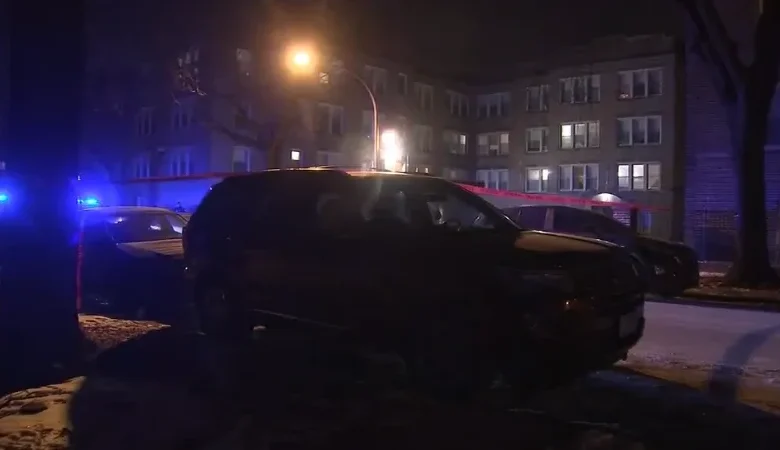
A violent Chicago police shooting unfolded in the Grand Crossing neighborhood on Friday night, leaving a suspect seriously injured and a woman recovering from gunshot wounds. The incident occurred on January 23, 2026. Officers from the Chicago Police Department (CPD) responded to a volatile domestic situation that quickly escalated into an exchange of gunfire. Authorities confirmed that the suspect fired at officers before they neutralized the threat. The Civilian Office of Police Accountability (COPA) has launched an investigation into the use of force.
Domestic Disturbance Escalates on Ingleside Avenue
The sequence of events began shortly before 8:00 p.m. on Friday evening. Dispatchers received a call regarding a domestic disturbance in the 7900 block of South Ingleside Avenue. The caller reported a chaotic scene involving an armed male subject.
According to the initial reports, the man possessed both a gun and a knife. Witnesses stated that he was actively slashing the tires of a vehicle parked on the street. Officers from the 6th (Gresham) District responded to the scene immediately.
Police arrived at the location at approximately 7:50 p.m. They encountered the suspect near the vehicle. The situation deteriorated rapidly upon their arrival. The suspect refused to surrender and attempted to flee the area on foot.
This confrontation highlights the dangers officers face during domestic disturbance calls. These incidents remain some of the most unpredictable and hazardous assignments for law enforcement. In this case, the presence of a weapon turned a property damage call into a life-threatening encounter.
Suspect Fires at Responding Officers
As the suspect ran from the scene, the interaction turned violent. Police reports indicate that the man brandished a handgun while fleeing. He then turned and fired the weapon in the direction of the pursuing officers.
The officers reacted instantly to the lethal threat. Two CPD officers drew their service weapons and returned fire. The gunfire struck the suspect multiple times, stopping his flight.
The exchange of shots happened quickly. It created panic in the surrounding residential neighborhood. Residents reported hearing multiple pops echoing through the street.
Fortunately, no officers sustained gunshot injuries during the Chicago police shooting. However, the department requires medical evaluation for officers involved in traumatic events. Ambulances transported two officers to a local hospital for observation. Doctors checked them for heart irregularities and shock before releasing them.
Victims and Medical Conditions
The violence resulted in injuries to two individuals. The first victim was a 23-year-old woman involved in the initial domestic dispute. Investigators determined that the suspect shot her prior to the arrival of the police.
The suspect’s bullets struck the woman twice in the arm. Paramedics treated her at the scene before transport. Medical staff list her in good condition. She is expected to make a full recovery.
The suspect sustained more serious injuries. After the Chicago police shooting, emergency responders rushed him to the University of Chicago Medical Center. Doctors listed him in serious condition upon admission.
Background checks revealed significant details about the suspect. Police identified him as a six-time convicted felon. Furthermore, he was currently on parole at the time of the incident. This criminal history will likely play a role in the upcoming legal proceedings.
Weapon Recovered and Investigation Launched
Crime scene technicians secured the area immediately following the shooting. They placed evidence markers near shell casings and the suspect’s path of flight. Crucially, police recovered a firearm at the scene. This weapon serves as key evidence supporting the officers’ accounts.
The Chicago Police Department has strict protocols for officer-involved shootings. The Civilian Office of Police Accountability (COPA) is now leading the investigation. This independent body reviews every detail to ensure the officers acted within policy.
COPA investigators will analyze body-camera footage. They will also review surveillance video from nearby homes. Public transparency remains a priority for the department in these cases. The footage usually becomes public within 60 days, barring legal delays.
Additionally, the CPD Investigative Response Team is conducting a parallel criminal investigation. They will build the case against the suspect for the initial shooting of the woman and the attempted murder of the officers.
Administrative Duties and Next Steps
The aftermath of a Chicago police shooting involves specific administrative procedures. The department has placed the two officers who fired their weapons on routine administrative duties.
This status lasts for a minimum of 30 days. It allows the officers time to decompress and seek counseling if necessary. It also removes them from street duty while the initial investigation proceeds. This is a standard practice and does not imply wrongdoing.
Local community leaders often respond to such violence with calls for peace. The Grand Crossing neighborhood has seen its share of violence. Residents want assurances that their streets are safe.
The presence of a felon with a gun highlights ongoing challenges with recidivism. Community safety advocates often point to these incidents when discussing parole enforcement. The fact that the suspect was armed while on parole adds a layer of complexity to the case.
Legal Consequences for the Suspect
If the suspect survives his injuries, he faces a litany of felony charges. Prosecutors will likely file charges for the shooting of the 23-year-old woman. Aggravated battery with a firearm is a probable charge.
Furthermore, firing at police officers carries severe penalties. Attempted murder of a police officer is a distinct and serious felony in Illinois. The recovery of the weapon provides prosecutors with strong physical evidence.
The court system will also address his parole violation. A new felony charge typically results in the immediate revocation of parole. This ensures the suspect remains in custody pending trial once he leaves the hospital.
Wfbnews.com will continue to monitor this story. We will provide updates on the condition of the suspect and the release of any body-camera footage related to this Chicago police shooting.