Bangor Plane Crash: 7 Dead, 1 Injured at International Airport
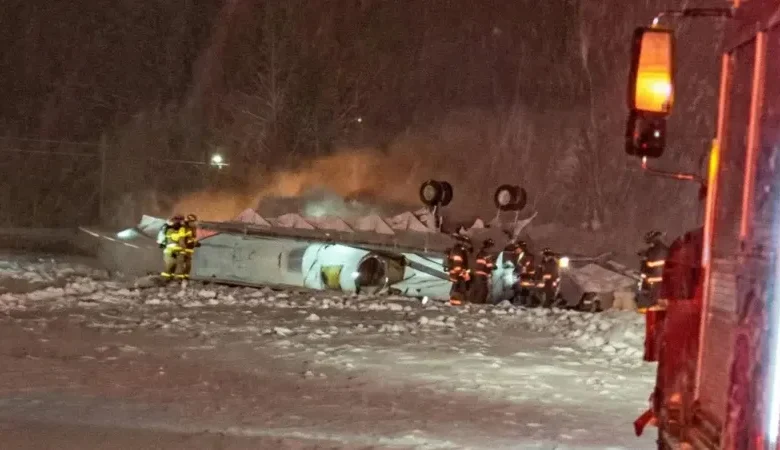
A devastating Bangor plane crash has claimed the lives of seven people and left one crew member seriously injured. The tragedy unfolded on Sunday evening, January 25, 2026, at Bangor International Airport (BGR) in Maine. A private business jet attempted to take off during a severe winter storm when disaster struck. First responders arrived within seconds, but the fire and impact proved fatal for most onboard. The National Transportation Safety Board (NTSB) has launched a full investigation into the cause of the accident.
Fatal Takeoff Attempt in Winter Storm
The incident occurred at approximately 7:45 p.m. on Sunday. The aircraft involved was a twin-engine Bombardier Challenger 600, also identified as a CL 650 . It bore the registration number N10KJ.
According to the Federal Aviation Administration (FAA), the jet crashed under unknown circumstances during its departure roll. The impact was severe. The aircraft flipped over before coming to a rest in an inverted position.
A fire erupted immediately following the crash. The flames engulfed the fuselage, complicating rescue efforts. Airport fire crews stationed at the airfield responded rapidly. Reports indicate they reached the crash site in under one minute.
Despite their speed, the intensity of the fire and the structural damage limited what they could do. Seven occupants were pronounced dead at the scene.
One Survivor Pulled from Wreckage
Amidst the destruction, rescuers found a single survivor. One crew member managed to survive the initial impact and the subsequent fire. Emergency teams extracted the individual from the wreckage.
Medical personnel transported the survivor to a local hospital immediately. Authorities listed the crew member in serious condition. No further updates on their specific injuries have been released as of Monday.
Early reports regarding the total number of people on board were conflicting. Bangor city officials initially cited a flight manifest that listed six people. However, the FAA’s formal incident report confirmed that eight people were on the aircraft. This count includes the seven deceased passengers and the sole surviving crew member. Investigators are working to reconcile these discrepancies.
Winter Storm Fern Complicates Scene
The Bangor plane crash happened during the height of Winter Storm Fern. This massive weather system has hammered the East Coast with snow and ice. At the time of the accident, heavy snow was falling at the airport.
Visibility was significantly reduced due to the precipitation. Furthermore, temperatures hovered near a frigid 2 degrees Fahrenheit. These brutal conditions likely played a role in the operational environment of the airport.
The weather also hampered the immediate aftermath. Firefighters battled sub-freezing temperatures while suppressing the flames. The snow accumulation on the runway and surrounding fields made accessing the wreckage difficult for support vehicles.
NTSB investigators faced delays reaching Maine because of the same storm. The heavy snow grounded flights and made roads treacherous across the region. This delayed the start of the on-site forensic examination.
Aircraft Registered to Houston Firm
Public records provide insight into the aircraft’s background. The jet is registered to KTKJ Challenger LLC. This entity shares a business address with Arnold & Itkin, a prominent personal injury law firm based in Houston, Texas.
Authorities have not released the identities of the passengers. It remains unconfirmed if any employees or partners of the law firm were on board. The process of positive identification is ongoing.
The Bombardier Challenger 600 series is a popular business jet. It is capable of long-range flights and is a staple in corporate aviation. Investigators will look into the maintenance records of this specific airframe. They will also review the pilot’s history and experience with winter weather operations.
Airport Closed and Investigation Underway
The severity of the crash forced the complete closure of Bangor International Airport. Officials shut down all runways on Sunday night. The airport remained closed to all traffic throughout Monday, January 26.
Airport management expects the closure to last for at least 24 to 48 hours. This timeframe allows investigators to document the scene undisturbed. It also gives crews time to clear debris and repair any damage to the runway surface.
Travelers with flights scheduled into or out of Bangor should check with their airlines. Many flights have been canceled or diverted to other airports in New England.
The NTSB is leading the safety investigation. Their “Go Team” specializes in analyzing aircraft accidents. They will focus on three main areas: the human, the machine, and the environment.
Investigators will search for the “black boxes.” The Flight Data Recorder and the Cockpit Voice Recorder are crucial pieces of evidence. They will reveal the technical parameters of the jet and the conversations between the pilots moments before the crash.
Determining the Cause
Speculation regarding the cause of the Bangor plane crash often centers on the weather. Icing on wings is a known hazard during winter takeoffs. De-icing procedures will be a major focus of the inquiry. Investigators will determine if the plane was properly de-iced before it taxied to the runway.
However, mechanical failure or pilot error are also possibilities. The fact that the plane flipped over suggests a catastrophic loss of control. The NTSB will not rule anything out this early in the process.
A preliminary report is typically released within 30 days. This report will contain factual information but not a probable cause. The final report, which includes the official cause, often takes a year or more to complete.
The community in Bangor is reeling from the tragedy. The airport is a central hub for the region. Witnessing such a violent event has shaken local residents and airport staff.
wfbnews.com will continue to monitor this developing story. We will provide updates on the condition of the survivor and the release of victim identities as information becomes available.