US Withdrawal from WHO Official as One-Year Notice Expires
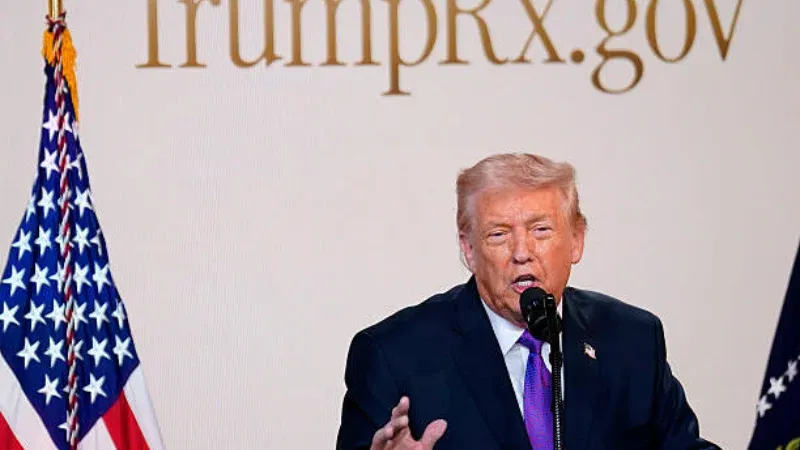
The US withdrawal from WHO is officially complete as of today, Thursday, January 22, 2026. This historic departure marks the conclusion of a mandatory one-year notice period. President Donald Trump initiated the exit process immediately upon taking office on January 20, 2025. The termination of United States membership in the World Health Organization ends a decades-long partnership and fundamentally alters the structure of global public health governance.
Financial Disputes and Outstanding Dues
The separation comes amidst a contentious financial standoff. Although the United States has formally left the organization, a significant legal and financial dispute remains unresolved. The U.S. government currently owes approximately $260 million in membership fees. These unpaid dues cover the 2024 and 2025 fiscal periods.
State Department officials have firmly rejected calls to settle this debt. The administration argues that the United States has already paid a high enough price due to the COVID-19 pandemic. Officials claim that perceived mismanagement by the WHO during the early stages of the pandemic caused catastrophic economic damage to the American economy. Consequently, the administration views those economic losses as a “down payment” on any further obligations. This refusal to pay creates a complex legal precedent for other international bodies. Legal experts warn that this stance could trigger prolonged litigation or diplomatic friction with remaining member states.
Immediate Impact on Global Health Operations
The loss of U.S. support has triggered an immediate operational crisis within the Geneva-based agency. The United States historically provided between 15% and 18% of the total WHO budget. The sudden removal of this funding stream has forced the agency to execute drastic austerity measures.
WHO leadership has announced plans to cut its management team in half effectively immediately. Furthermore, the agency is preparing for a broader 25% reduction in general staff by the middle of 2026. These cuts will affect critical programs ranging from vaccination campaigns to emergency response teams.
The US withdrawal from WHO also necessitates a massive personnel shift. The White House has issued recall orders for all U.S. government personnel working with the agency. This directive includes contractors and secondees who provided technical expertise in Geneva and field offices worldwide. These experts are now returning to domestic agencies or seeking reassignment within the federal government.
Public health experts express grave concerns regarding the loss of information flow. The withdrawal severs the United States from real-time access to global disease surveillance data. Previously, American scientists had direct entry into early warning networks for emerging threats. Experts specifically cite the current risks posed by avian influenza. Without a seat at the table, the U.S. may face delays in receiving vital data on viral mutations and transmission patterns abroad.
Broader Retreat from International Organizations
This exit is not an isolated event. It represents a key component of a larger strategic shift by the Trump administration. The White House is actively pursuing a policy of retrenchment from international organizations that it deems contrary to American interests.
On January 7, 2026, the White House released a sweeping memorandum. This document directed the withdrawal of the United States from 66 different international organizations. The list includes 31 separate entities under the United Nations umbrella. The administration argues that these organizations often undermine U.S. sovereignty and provide poor returns on taxpayer investment.
Supporters of the “America First” approach hail today’s deadline as a promise kept. They argue that bilateral agreements will serve the nation better than multilateral bureaucracies. However, critics contend that this isolationist trend weakens American soft power. They warn that leaving these forums creates a power vacuum that rival nations are eager to fill.
Geopolitical Shifts and Future Prospects
Global competitors are moving quickly to capitalize on the US withdrawal from WHO. China has already stepped forward to expand its influence within the agency. Beijing recently pledged an additional $500 million in funding over the next five years. This financial commitment ensures that critical WHO projects continue, but it also likely increases Chinese leverage over global health priorities.
Other member nations are also adjusting to the new reality. To stabilize the agency’s budget for the 2026–2027 fiscal cycle, remaining member states agreed to a 20% increase in their own membership fees. This collective action aims to prevent the total collapse of the organization’s infrastructure. European nations, in particular, have emphasized the need to maintain a coordinated global response capability despite the American exit.
The Trump administration has left the door slightly ajar for a potential return. However, officials have stipulated strict conditions. The White House has signaled that any reconsideration of membership would depend on significant leadership changes in Geneva. Specifically, the administration is waiting for the end of Director-General Tedros Adhanom Ghebreyesus’s term in 2027.
Until then, the United States will operate independently on the global health stage. The Centers for Disease Control and Prevention (CDC) will now take on a more direct role in international monitoring. Yet, without the diplomatic architecture of the WHO, these efforts face new logistical hurdles. The coming months will reveal whether independent surveillance can match the reach of a global network. For now, the US withdrawal from WHO stands as a defining moment in 21st-century international relations.